In the ever-evolving landscape of office design, modern office trends have revolutionized the way we work. From open floor plans to innovative technology integrations, these trends are shaping the future of work environments. Let's delve into the key aspects of modern office trends and how they are redefining the traditional workspace.
Evolution of Office Spaces
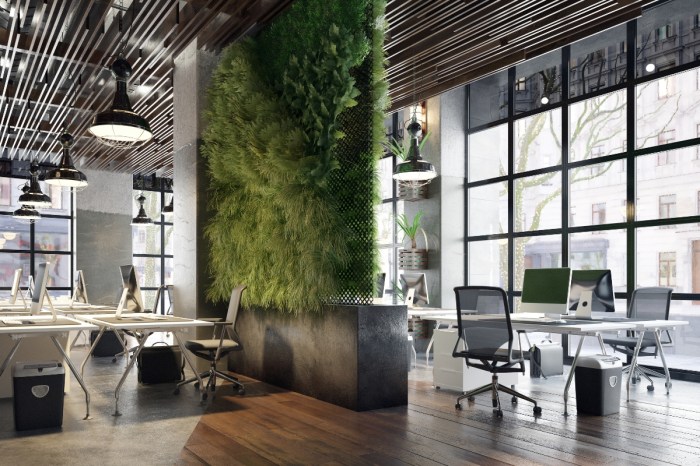
The evolution of office spaces has seen a significant shift from traditional layouts to more modern and innovative designs. Key features of modern office spaces include open floor plans that promote collaboration and communication among employees, collaborative areas such as meeting rooms or lounge spaces for team projects, and flexible workstations that allow employees to choose where and how they work.
Benefits and Drawbacks of Modern Office Trends
- Benefits:
- Increased collaboration and teamwork due to open floor plans and collaborative areas.
- Flexibility in workstations can lead to improved employee satisfaction and productivity.
- Modern designs often result in a more aesthetically pleasing and inspiring work environment.
- Drawbacks:
- Noise and distractions may be more prevalent in open office layouts, affecting concentration.
- Lack of privacy in shared spaces can be a concern for employees who require focused work time.
- Transitioning to modern office trends may require significant financial investment and time for companies.
Technology Integration in Modern Offices
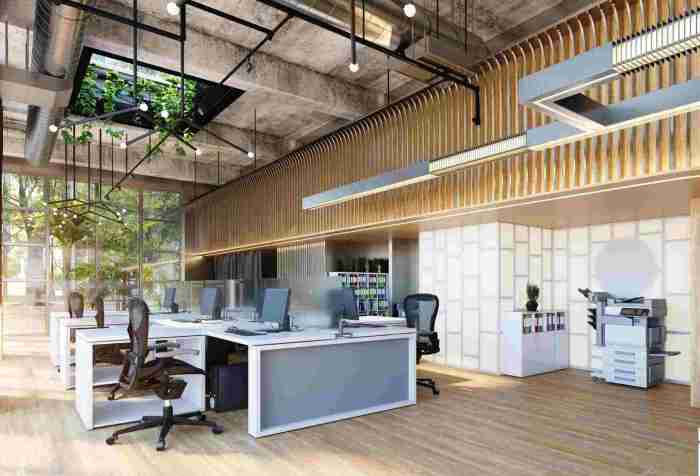
Technology plays a crucial role in shaping the work environments of modern offices, revolutionizing the way businesses operate and employees collaborate.
Communication Tools
- Instant Messaging Platforms: Tools like Slack and Microsoft Teams facilitate quick and efficient communication among team members, regardless of their physical location.
- Video Conferencing Software: Platforms such as Zoom and Google Meet enable virtual meetings with employees working remotely or in different office locations.
Collaboration Solutions
- Cloud Storage Services: Applications like Google Drive and Dropbox allow for seamless file sharing and collaboration on documents in real-time.
- Project Management Software: Tools like Trello and Asana help teams organize tasks, track progress, and collaborate on projects efficiently.
Productivity Enhancement
- Automation Tools: Software like Zapier and IFTTT automate repetitive tasks, saving time and boosting productivity.
- Virtual Assistants: AI-powered assistants like Siri and Alexa assist employees in managing schedules, setting reminders, and answering queries.
Wellness and Sustainability Initiatives
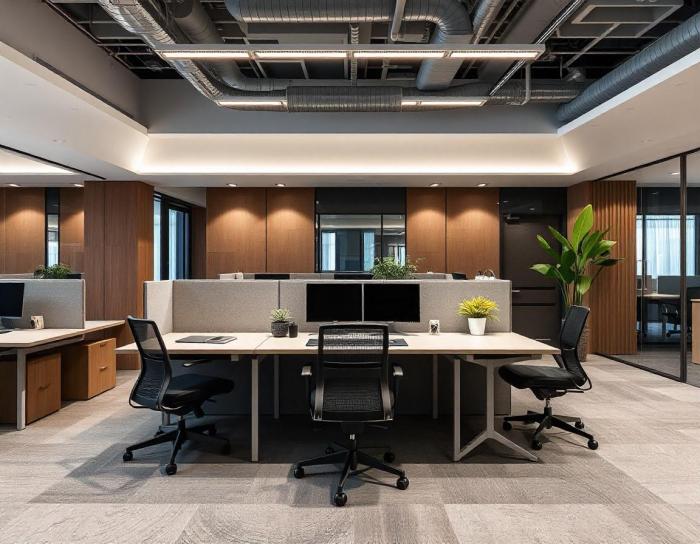
Wellness and sustainability initiatives have become integral parts of modern office trends, focusing on creating a healthy and eco-friendly work environment for employees.
Employee Well-being through Office Design
Office design plays a crucial role in promoting employee well-being. Features such as natural lighting, ergonomic furniture, and green spaces can enhance productivity and reduce stress levels.
Sustainable Practices in Modern Offices
Modern offices are incorporating sustainable features like green buildings, energy-efficient systems, and eco-friendly practices to reduce their carbon footprint and promote environmental responsibility.
Remote Work and Hybrid Models
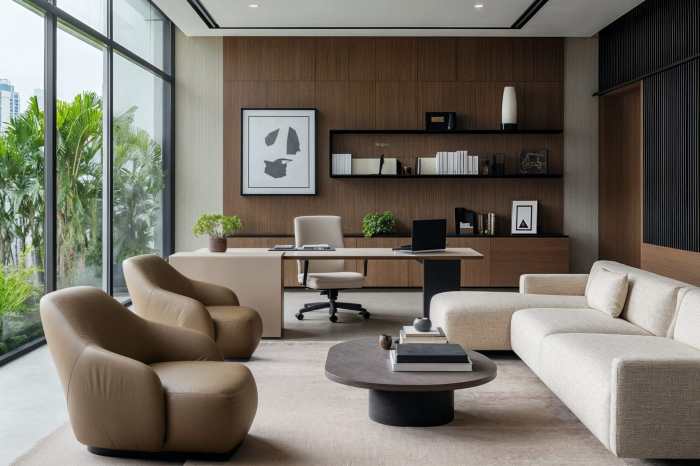
Remote work and hybrid models have become increasingly popular in shaping modern office trends. With advancements in technology and changing work dynamics, many organizations are transitioning towards more flexible work arrangements to meet the needs of their employees and enhance productivity.
Advantages of Remote Work
- Flexibility: Remote work allows employees to create a work schedule that suits their personal needs, leading to improved work-life balance.
- Cost Savings: Companies can save on office space and utilities when employees work remotely, reducing overhead expenses.
- Increased Productivity: Many studies have shown that remote workers are often more productive due to fewer distractions and a comfortable work environment.
Challenges of Remote Work
- Communication Barriers: Remote work can sometimes lead to miscommunication or feelings of isolation among team members.
- Work-Life Balance Struggles: Without clear boundaries, remote workers may find it challenging to disconnect from work and relax.
- Monitoring Performance: Some managers may struggle to monitor the performance of remote employees effectively.
Integration of Remote Work into Hybrid Models
- Flexible Office Spaces: Organizations can create flexible workspaces that accommodate both remote and in-office employees, promoting collaboration and flexibility.
- Virtual Collaboration Tools: Implementing tools like video conferencing, project management software, and instant messaging can facilitate communication and collaboration among remote and on-site team members.
- Clear Communication Policies: Establishing clear communication protocols and expectations for remote work can help mitigate misunderstandings and ensure alignment among team members.
Wrap-Up
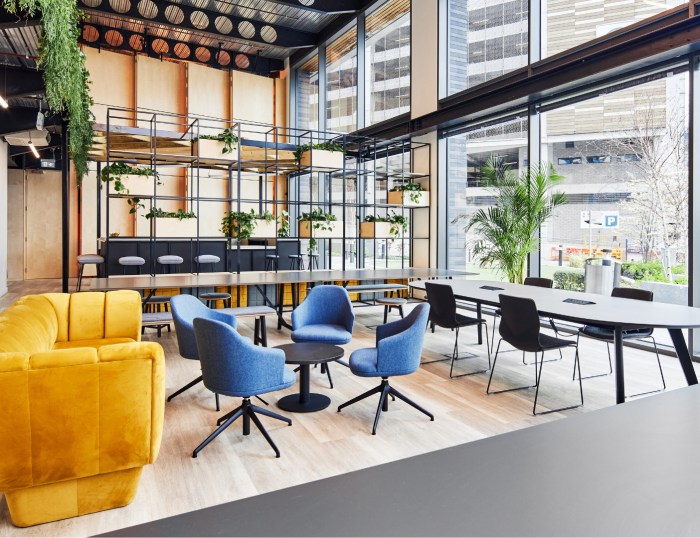
As we conclude our exploration of modern office trends, it's evident that the workplace is undergoing a significant transformation. Embracing concepts like wellness initiatives, technology integration, and hybrid models, modern offices are adapting to meet the needs of the contemporary workforce.
The future of work is indeed an exciting journey filled with possibilities and innovations.
FAQ
How have modern office trends impacted employee productivity?
Modern office trends have been shown to boost employee productivity by fostering collaboration, flexibility, and a more engaging work environment.
What are some common challenges associated with implementing remote work policies in modern offices?
Challenges may include maintaining team cohesion, communication barriers, and ensuring data security while employees work remotely.
How do sustainable practices contribute to the overall well-being of employees in modern offices?
By incorporating sustainable features like green buildings and energy-efficient systems, modern offices create a healthier and more environmentally conscious workspace that can positively impact employee well-being.