Iconic structures have the power to captivate our imagination and leave a lasting impression. From towering skyscrapers to ancient monuments, these architectural marvels define the landscapes of cities and countries worldwide. Let's delve into the world of iconic structures and uncover what makes them truly extraordinary.
As we embark on this journey, we will unravel the significance, impact, and engineering feats behind these iconic buildings that have stood the test of time.
Iconic Structures

Iconic structures are architectural landmarks that have gained global recognition for their unique design, historical significance, or cultural impact.
These structures play a crucial role in shaping the identity of a city or a country, becoming symbols that represent the history, values, and aspirations of the people. They often attract tourists, serve as meeting points, or hold special events, further embedding themselves in the local culture.
Examples of Iconic Structures
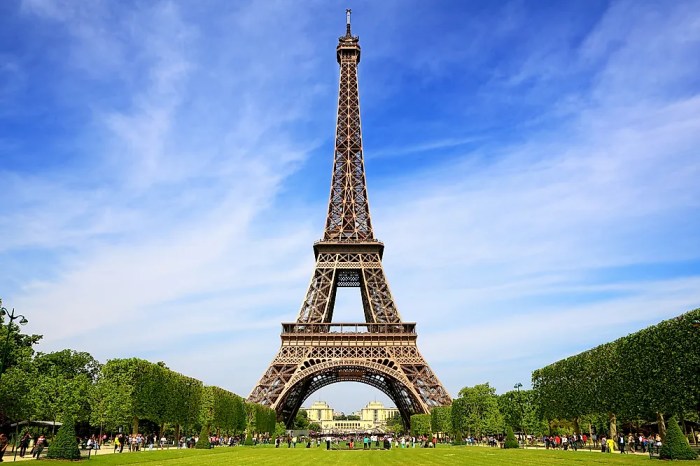
- The Eiffel Tower in Paris, France: Originally built as a temporary exhibit for the 1889 World's Fair, it has become a symbol of France and one of the most visited landmarks in the world.
- The Sydney Opera House in Australia: Known for its unique sail-like design, it is a UNESCO World Heritage Site and a prominent cultural venue hosting various performances.
- The Burj Khalifa in Dubai, UAE: The tallest building in the world, it represents Dubai's modern skyline and engineering prowess.
Importance of Iconic Structures
- They promote tourism and economic growth by attracting visitors from around the world.
- They serve as symbols of national pride and cultural identity, fostering a sense of unity among the people.
- They inspire creativity and innovation in architecture, pushing boundaries and setting new standards for design.
Architectural Significance
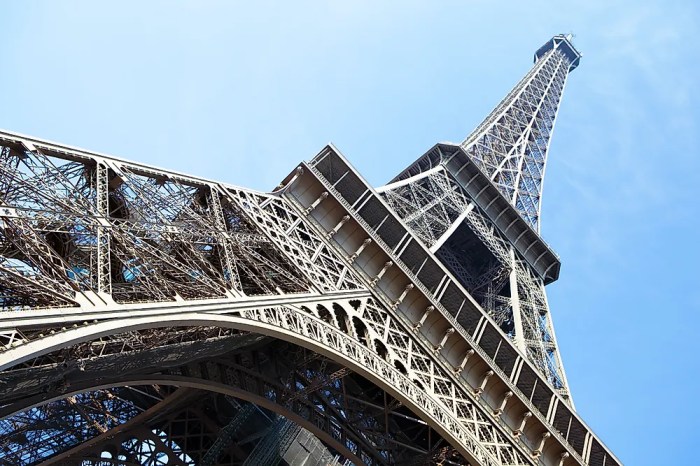
The architectural significance of iconic structures lies in their unique design elements, historical context, and influence on contemporary architecture. These structures serve as symbols of human creativity and engineering prowess, showcasing the evolution of architectural styles over time.
Distinct Architectural Features
Iconic structures are known for their distinct architectural features that set them apart from ordinary buildings. These features may include innovative use of materials, unconventional shapes, and groundbreaking construction techniques. For example, the Sydney Opera House's sail-like roof design and the Eiffel Tower's intricate iron lattice work are iconic features that have become synonymous with these structures.
Historical Context
The design of iconic structures is often influenced by the historical context in which they were built. For instance, the Taj Mahal in India was constructed as a mausoleum by Emperor Shah Jahan in memory of his wife, reflecting the architectural styles of the Mughal era.
Understanding the historical significance of these structures adds another layer of appreciation for their architectural design.
Influence on Contemporary Architecture
Iconic structures have had a profound influence on contemporary architecture, inspiring architects to push the boundaries of design and construction. The Burj Khalifa in Dubai, for example, has redefined skyscraper design with its sleek silhouette and innovative engineering solutions. By studying iconic structures, architects gain insights into new possibilities and creative approaches to architectural challenges.
Comparison of Architectural Styles
Iconic structures showcase a diverse range of architectural styles, from the Gothic grandeur of Notre Dame Cathedral to the minimalism of the Guggenheim Museum in New York. Each style reflects the cultural, social, and technological context of its time, contributing to the rich tapestry of architectural history.
By comparing and contrasting these styles, architects can glean valuable lessons and inspiration for their own projects.
Cultural Impact
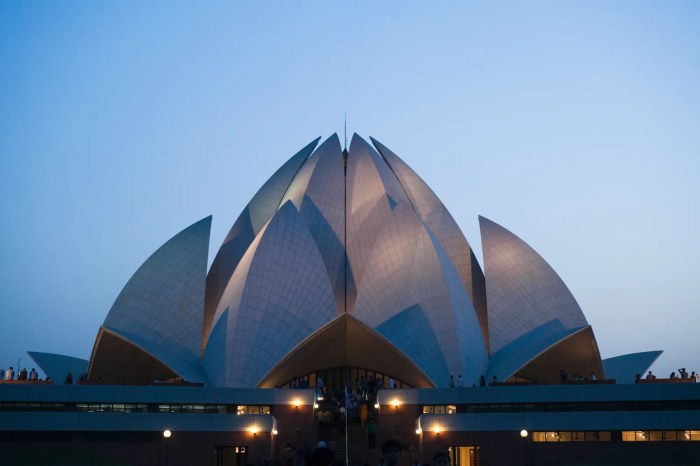
Iconic structures hold significant cultural importance as they often reflect the values, beliefs, and history of the society they belong to. These structures become symbols of national pride and identity, representing the spirit and achievements of a nation.
Reflection of Culture
Iconic structures are often designed to showcase the unique cultural elements of a society. For example, the Taj Mahal in India is not just a magnificent architectural marvel but also a symbol of love and devotion. Its intricate design and use of white marble reflect the rich cultural heritage of India.
National Pride
Iconic structures become symbols of national pride as they embody the collective achievements and aspirations of a nation. The Eiffel Tower in Paris, France, is not just a tourist attraction but a symbol of French ingenuity and creativity. It represents the French people's pride in their culture and history.
Tourist Attractions
Iconic structures attract tourists from around the world, contributing significantly to the tourism industry of a country. The Statue of Liberty in the United States is a prime example, drawing millions of visitors each year who come to marvel at this iconic symbol of freedom and democracy.
These structures not only showcase the cultural heritage of a nation but also play a vital role in shaping its tourism industry.
Engineering Marvels
Iconic structures often pose significant engineering challenges during construction due to their scale, design complexity, and unique architectural features. Engineers must overcome these obstacles using innovative technologies and sustainable practices to create lasting landmarks.
Engineering Challenges
Constructing iconic structures presents numerous engineering challenges, including:
- Dealing with extreme weather conditions
- Supporting massive weight loads
- Resisting natural disasters such as earthquakes or hurricanes
- Navigating complex architectural designs
Innovative Technologies and Techniques
Innovative technologies and techniques play a crucial role in building iconic structures, such as:
- Advanced computer modeling for structural analysis
- Prefabrication of components for efficiency
- High-strength materials like carbon fiber and titanium
- Cable-stayed and suspension bridge construction
Sustainability Aspects
Designing and constructing iconic structures with sustainability in mind is essential. Some sustainability aspects include:
- Using eco-friendly materials and construction methods
- Incorporating renewable energy sources like solar panels
- Implementing green building practices for energy efficiency
- Reducing carbon footprint through innovative design solutions
Examples of Boundary-Pushing Structures
Several iconic structures have pushed the boundaries of engineering, such as:
- The Burj Khalifa in Dubai, the tallest building in the world
- The Millau Viaduct in France, the tallest bridge in the world
- The Shanghai Tower in China, with its innovative twisting design
- The Hoover Dam in the United States, a marvel of modern engineering
Final Summary
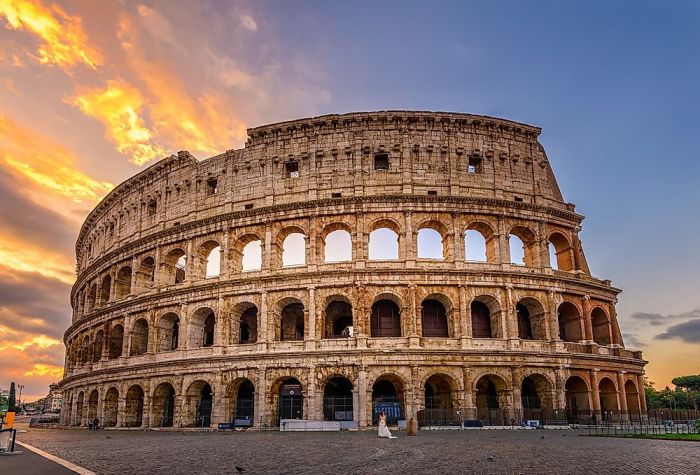
In conclusion, iconic structures serve as more than just physical landmarks; they are testaments to human creativity, ingenuity, and cultural heritage. As we continue to marvel at these feats of architecture, we are reminded of the profound impact they have on shaping our world and inspiring generations to come.
Frequently Asked Questions
What defines a structure as iconic?
Iconic structures are characterized by their unique design, historical significance, cultural relevance, and lasting impact on the architectural landscape.
How do iconic structures influence contemporary architecture?
Iconic structures often serve as inspiration for modern architects, influencing new designs, materials, and construction techniques in the field of architecture.
Why do iconic structures attract tourists?
Tourists are drawn to iconic structures due to their cultural significance, architectural beauty, historical importance, and the stories or legends associated with them.