Embark on a journey through the world of HVAC repair, where we unravel the importance of regular maintenance, common issues, repair processes, and cost factors. Discover the key insights that can help you keep your HVAC system running smoothly.
Importance of HVAC Repair
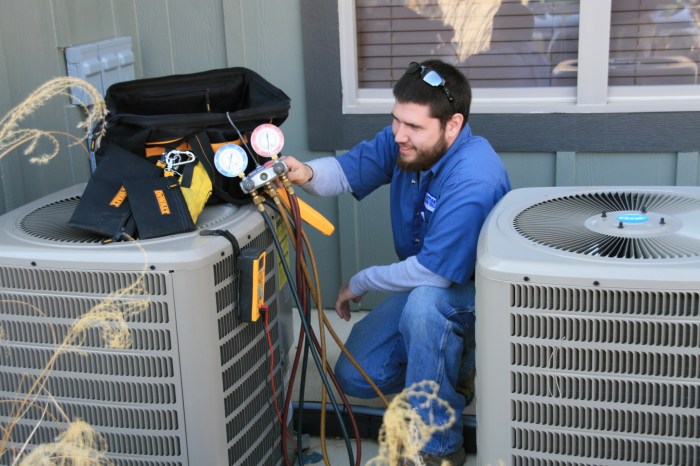
Regular HVAC repair and maintenance are crucial for ensuring the efficient functioning of heating, ventilation, and air conditioning systems. By addressing issues promptly, homeowners can avoid costly repairs, extend the lifespan of their HVAC units, and maintain a comfortable indoor environment.
Consequences of Neglecting HVAC Repair
Neglecting HVAC repair can lead to a range of issues, including decreased energy efficiency, poor air quality, and potential health risks. A malfunctioning HVAC system may also result in uneven heating or cooling, increased utility bills, and a higher likelihood of system breakdowns.
Benefits of Timely HVAC Repairs for Energy Efficiency
- Improved energy efficiency: Regular HVAC repairs can help optimize the performance of the system, reducing energy consumption and lowering utility costs.
- Enhanced indoor comfort: Properly functioning HVAC systems can maintain consistent temperatures and humidity levels, creating a comfortable living environment.
- Extended system lifespan: Timely repairs and maintenance can prevent wear and tear on HVAC components, prolonging the lifespan of the system.
- Environmental impact: Energy-efficient HVAC systems contribute to reduced energy consumption and lower greenhouse gas emissions, promoting environmental sustainability.
Common HVAC Repair Issues
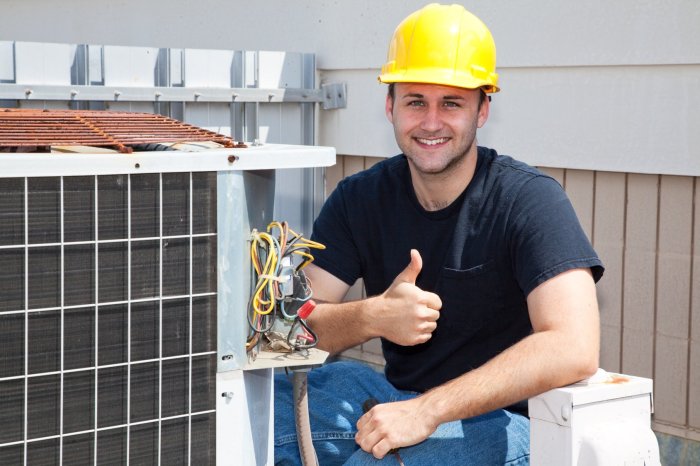
When it comes to HVAC systems, there are several common issues that can arise, requiring professional repair services to ensure optimal functioning. Identifying these problems early on is crucial to prevent further damage and maintain a comfortable indoor environment.
1. Refrigerant Leaks
Refrigerant leaks are a common issue in HVAC systems that can lead to reduced cooling efficiency and potential environmental hazards. Symptoms of a refrigerant leak include insufficient cooling, ice buildup on the refrigerant lines, and hissing noises coming from the unit.
2. Clogged Air Filters
Clogged air filters can restrict airflow in the HVAC system, causing reduced efficiency and poor indoor air quality. Signs of clogged air filters include increased energy bills, uneven heating or cooling, and excessive dust in the home.
3. Faulty Thermostat
A faulty thermostat can lead to temperature inconsistencies and system malfunctions. Common symptoms of a faulty thermostat include inaccurate temperature readings, frequent cycling on and off, and unresponsiveness to temperature adjustments.
4. Electrical Issues
Electrical problems such as faulty wiring or blown fuses can disrupt the functioning of an HVAC system. Warning signs of electrical issues include tripped circuit breakers, flickering lights when the system is running, and burning smells coming from the unit.
5. Mechanical Wear and Tear
Over time, mechanical components of an HVAC system can wear out, leading to reduced efficiency and potential breakdowns. Symptoms of mechanical wear and tear include strange noises during operation, uneven heating or cooling, and frequent system cycling.
HVAC Repair Process
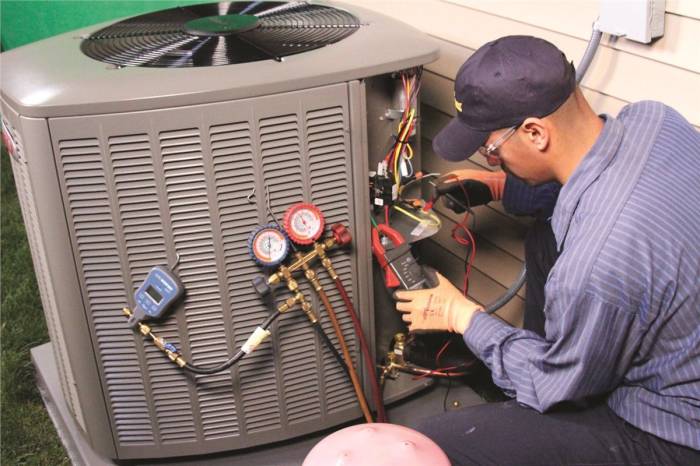
When it comes to HVAC repair, a systematic process is followed to diagnose and fix issues efficiently. Professional technicians are trained to handle a variety of HVAC systems and ensure that the repair is done correctly.
Diagnosing HVAC Issues
- First, the technician will perform a thorough inspection of the HVAC system to identify the root cause of the problem.
- They will check for any leaks, blockages, or worn-out components that may be affecting the system's performance.
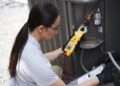
- Using specialized tools, the technician will measure the system's airflow, refrigerant levels, and electrical connections to pinpoint the issue.
Repair Procedures for Different HVAC Systems
- For air conditioning units, repairs may involve cleaning or replacing filters, fixing refrigerant leaks, or repairing faulty compressors.
- Heating systems may require cleaning of burners, replacing thermocouples, or fixing ignition problems.
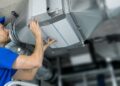
- Ductwork repairs may involve sealing leaks, insulating ducts, or replacing damaged sections to improve airflow.
Importance of Professional HVAC Repair Services
- Professional technicians have the knowledge and experience to accurately diagnose and repair HVAC issues, ensuring optimal performance.
- DIY repairs can lead to further damage and safety hazards, so it's crucial to rely on trained professionals for HVAC repair.
- Regular maintenance and professional repairs can extend the lifespan of your HVAC system and help you save on energy costs in the long run.
DIY HVAC Repairs vs. Professional Services
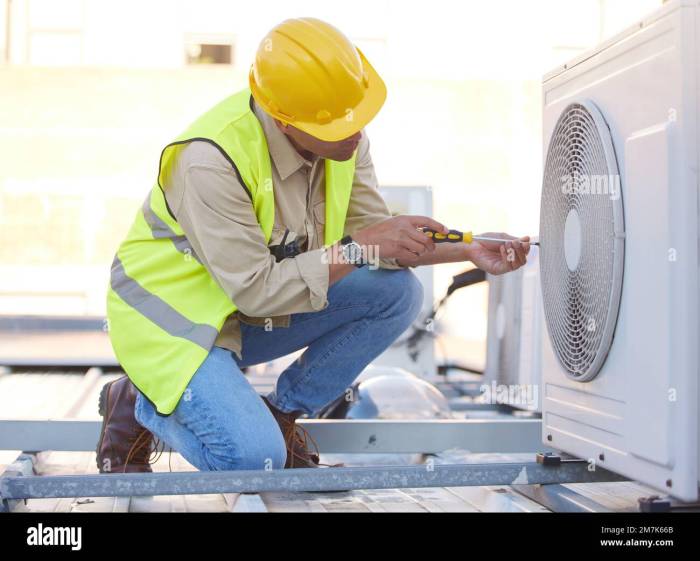
When it comes to HVAC repairs, homeowners often debate whether to tackle the issues themselves or call in a professional. Both options have their pros and cons, and understanding when to DIY and when to seek professional help is crucial for maintaining the efficiency and longevity of your HVAC system.
Advantages and Disadvantages of DIY HVAC Repairs
DIY HVAC repairs can save you money on labor costs and give you a sense of accomplishment. However, if not done correctly, DIY repairs can lead to further damage and potentially void your warranty.
- Advantages of DIY HVAC Repairs:
- Cost-effective
- Can be done at your convenience
- May help you learn more about your HVAC system
- Disadvantages of DIY HVAC Repairs:
- Risk of causing more damage
- Voiding warranty
- Safety hazards if not done properly
When to Attempt DIY Repairs and When to Seek Professional Help
Knowing when to DIY and when to call a professional is essential to avoid costly mistakes. Simple tasks like changing air filters can typically be done by homeowners, but more complex issues like refrigerant leaks or electrical problems should be left to the experts.
- DIY Repairs:
- Regular maintenance tasks like cleaning or replacing filters
- Resetting the thermostat
- Checking for obvious issues like clogged vents
- Professional Help:
- Refrigerant leaks
- Electrical issues
- Complex mechanical problems
Safety Precautions for DIY HVAC Repair Tasks
Before attempting any DIY HVAC repairs, it's crucial to prioritize safety to prevent accidents or injuries. Here are some safety precautions to keep in mind:
- Turn off power to the HVAC system before starting any work
- Wear appropriate safety gear like gloves and goggles
- Avoid working on live electrical components
- Follow manufacturer's instructions carefully
- If in doubt, seek professional help
Cost of HVAC Repair
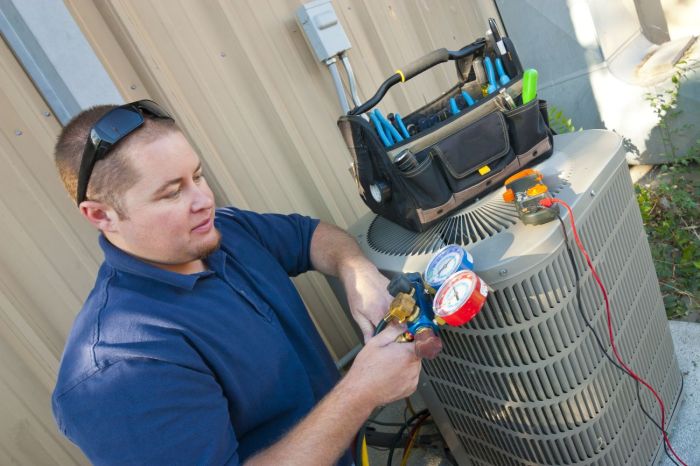
When it comes to HVAC repair, the cost can vary depending on several factors. Understanding what influences the cost of HVAC repairs, as well as how to budget and save on expenses, is crucial for homeowners. Additionally, getting multiple quotes for HVAC repair services can help ensure that you are getting the best value for your money.
Factors Influencing the Cost of HVAC Repairs
- The type and extent of the repair needed: The complexity and size of the repair job will directly impact the cost.
- The age and condition of the HVAC system: Older systems or those in poor condition may require more extensive repairs, leading to higher costs.
- The availability of parts: If specific parts are needed for the repair and are difficult to source, this can also drive up the cost.
- The expertise and reputation of the HVAC repair company: More experienced and reputable companies may charge higher fees for their services.
Tips for Budgeting and Saving on HVAC Repair Expenses
- Regular maintenance: Investing in regular maintenance can help prevent costly repairs in the future.
- Compare quotes: Getting multiple quotes from different HVAC repair companies can help you find the most competitive price.
- Consider energy-efficient upgrades: Upgrading to more energy-efficient HVAC systems can save you money in the long run on both repairs and energy bills.
- DIY where possible: For simple tasks like changing filters, consider doing it yourself to save on labor costs.
Importance of Getting Multiple Quotes for HVAC Repair Services
- Ensures fair pricing: By obtaining quotes from different companies, you can compare prices and ensure that you are not overcharged for the repair.
- Allows for better decision-making: Having multiple quotes gives you the opportunity to evaluate the services offered by each company and make an informed decision.
- Promotes transparency: Requesting multiple quotes promotes transparency in pricing and helps you avoid hidden fees or unnecessary charges.
Closing Summary
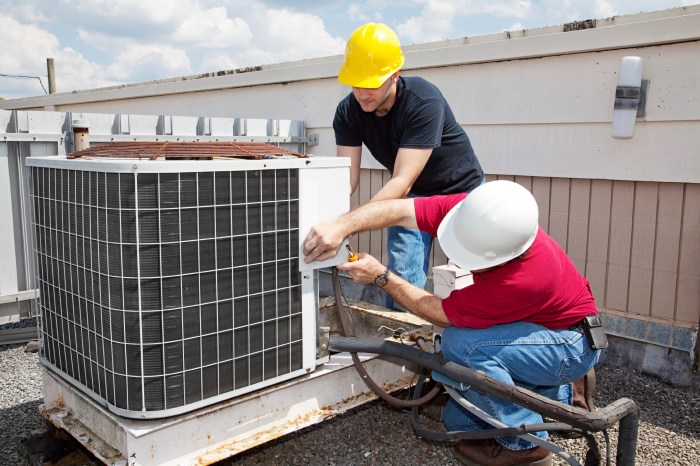
In conclusion, staying proactive with HVAC repair can not only enhance energy efficiency but also prolong the lifespan of your system. By understanding the nuances of repair procedures and costs, you can make informed decisions to ensure optimal performance.
Questions and Answers
What are the benefits of timely HVAC repairs?
Timely HVAC repairs can improve energy efficiency, prevent costly breakdowns, and extend the lifespan of your system.
When should I consider DIY HVAC repairs?
Simple tasks like changing filters can be done DIY, but complex issues should be handled by professionals to avoid further damage.
What factors influence the cost of HVAC repairs?
Factors like the type of repair needed, the age of your system, and the availability of parts can impact the overall cost of HVAC repairs.