Embark on a journey through the realm of emergency services as we delve into the crucial role they play in society. From the swift actions of first responders to the innovative use of technology, this guide offers a detailed exploration of this critical field.
As we navigate through the various aspects of emergency services, a deeper understanding of their importance and impact will unfold before your eyes.
Overview of Emergency Services
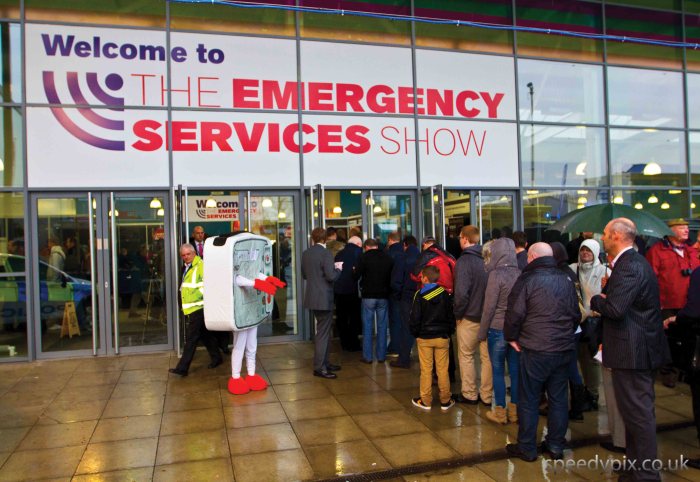
Emergency services play a crucial role in society by providing immediate assistance during crises and emergencies. These services are essential for maintaining public safety and saving lives in various critical situations.
Types of Emergency Services
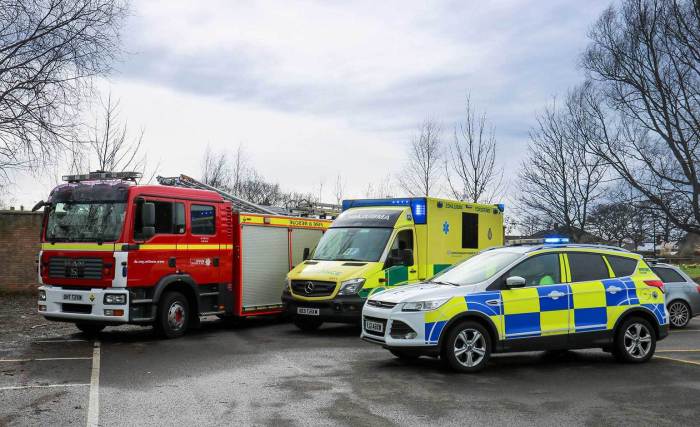
- Fire Services: Firefighters respond to fires, rescue operations, and hazardous materials incidents.
- Police Services: Law enforcement officers maintain order, investigate crimes, and protect the community.
- Medical Services: Emergency medical technicians (EMTs) and paramedics provide medical care and transport patients to hospitals.
The coordination and collaboration among these emergency services are vital for a swift and effective response.
Importance of Timely Responses
Timely responses by emergency services are critical in saving lives and minimizing damage during emergencies. A quick and efficient response can make a significant difference in the outcome of a crisis situation.
Emergency Response Teams
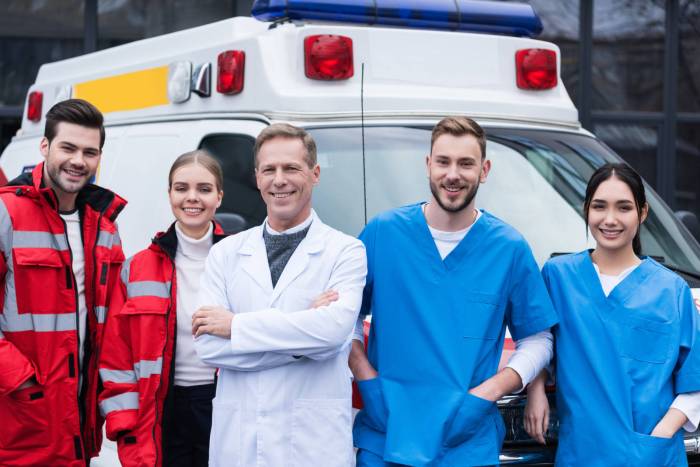
Emergency response teams play a crucial role in providing timely and effective assistance during emergencies. These teams are comprised of highly trained professionals who are equipped to handle a wide range of emergency situations. Let's take a closer look at the different teams within emergency services, their specific responsibilities, and the training required for each.
EMTs (Emergency Medical Technicians)
EMTs are trained to provide basic medical care to patients in emergency situations. Their responsibilities include assessing patients' conditions, administering basic first aid, and transporting patients to medical facilities for further treatment. EMTs undergo rigorous training programs that focus on emergency medical procedures, patient assessment, and transportation protocols.
Paramedics
Paramedics have more advanced training compared to EMTs and are able to provide a higher level of medical care. In addition to the duties of EMTs, paramedics can administer medications, interpret ECGs, and perform advanced medical procedures. Paramedics undergo extensive training that includes coursework in anatomy, physiology, pharmacology, and advanced life support techniques.
Firefighters
Firefighters are trained to respond to fires, hazardous materials incidents, and other emergencies. In addition to extinguishing fires, firefighters often provide emergency medical assistance, perform search and rescue operations, and mitigate hazardous materials incidents. Firefighters undergo training that includes firefighting techniques, emergency medical care, and specialized rescue operations.
Comparison of Training
- EMTs typically complete a basic training program that lasts around 120-150 hours, culminating in certification as an EMT-Basic.
- Paramedics undergo more extensive training, typically completing a program that lasts 1-2 years and culminates in certification as a Paramedic.
- Firefighters undergo comprehensive training that includes firefighting techniques, emergency medical care, hazardous materials response, and rescue operations.
Technology in Emergency Services
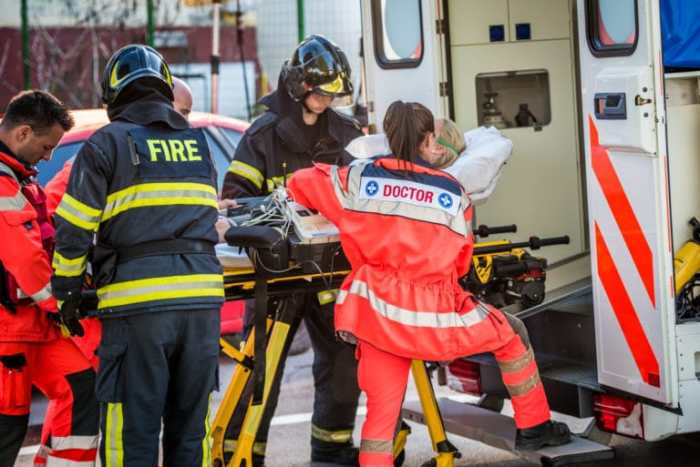
Technology plays a crucial role in enhancing the effectiveness and efficiency of emergency services
GPS Technology
GPS technology allows emergency services to pinpoint the exact location of a distress call quickly, enabling a faster response time. This technology is particularly useful in remote areas or when the caller is unsure of their location. By utilizing GPS, emergency responders can navigate to the scene with precision, potentially saving valuable time in critical situations.
Drones in Emergency Response
Drones have become increasingly valuable tools for emergency services in assessing disaster areas, conducting search and rescue missions, and providing real-time aerial footage. These unmanned aerial vehicles can access hard-to-reach or hazardous locations, providing vital information to response teams on the ground.
Drones have proven to be instrumental in enhancing situational awareness and improving overall response efforts during emergencies.
Communication Devices and Social Media Platforms
Effective communication is essential in emergency situations, and technology has made it easier for emergency services to relay information to the public. Social media platforms serve as valuable tools for disseminating alerts, updates, and safety tips to a wide audience quickly.
Emergency services can leverage platforms like Twitter, Facebook, and Instagram to reach citizens in real-time and raise awareness during crises.
Data Analytics in Emergency Service Operations
Data analytics play a significant role in optimizing emergency service operations by analyzing trends, patterns, and resource allocation. By utilizing data-driven insights, emergency services can better anticipate and respond to emergencies, allocate resources efficiently, and improve overall decision-making processes. Data analytics enable agencies to streamline operations, enhance preparedness, and ultimately save more lives during critical situations.
Challenges in Emergency Services
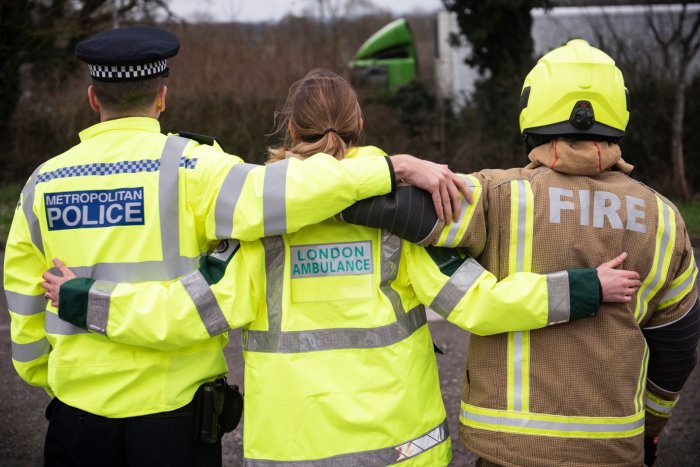
Emergency service providers face various challenges that can impact their ability to effectively respond to emergencies and disasters. These challenges range from funding and resource allocation to mental health support for first responders.
Impact of Natural Disasters
Natural disasters like hurricanes, earthquakes, and wildfires can strain emergency services due to the sudden increase in demand for assistance. Response strategies need to be adaptable and efficient to handle the scale and complexity of these disasters.
Community Involvement and Preparedness
Community involvement is crucial in overcoming challenges in emergency services. Educating the public on preparedness measures, such as creating emergency kits and evacuation plans, can help reduce the burden on emergency responders during a crisis.
Final Review
In conclusion, the intricate web of emergency services is essential for maintaining public safety and swift responses during crises. By delving into the challenges faced and the advancements made, we gain a newfound appreciation for the unsung heroes who dedicate their lives to serving others.
Answers to Common Questions
What is the role of emergency services in society?
Emergency services play a vital role in ensuring public safety by responding promptly to various crises and disasters.
What are the types of emergency services available?
Common types include fire services, police departments, and medical emergency responders like EMTs and paramedics.
How does technology enhance emergency response?
Technology like GPS and drones aid in quick location tracking and assessment during emergencies, improving response times.
What are some common challenges faced by emergency service providers?
Challenges include issues with funding, resource allocation, and the need for adequate mental health support for first responders.
Why is community involvement important in emergency preparedness?
Community involvement fosters resilience and readiness, ensuring a collaborative effort in overcoming challenges during emergencies.