Embark on a journey through the world of DIY HVAC tips, where simple maintenance practices can make a significant difference in the performance and lifespan of your HVAC system. From cleaning techniques to troubleshooting common issues, this guide will equip you with the knowledge to keep your HVAC system running smoothly.
Learn how to take control of your HVAC system's maintenance and efficiency with these practical tips and tricks.
Importance of DIY HVAC Maintenance
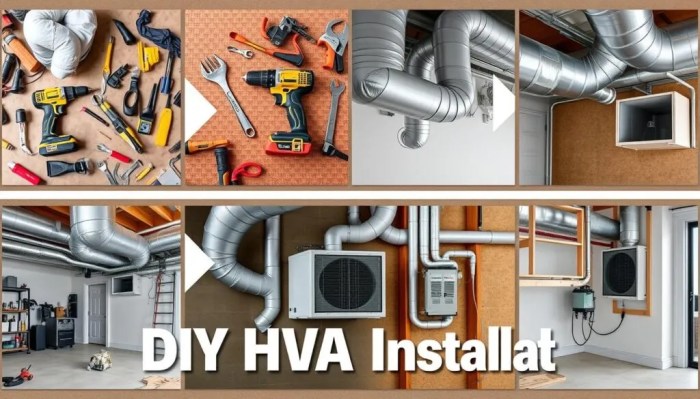
Performing regular DIY maintenance on HVAC systems is crucial for several reasons. Not only does it help in keeping the system running efficiently, but it also ensures the indoor air quality remains healthy for you and your family. Here are some key benefits of DIY HVAC maintenance:
Preventing Common Issues
- Regularly cleaning or replacing air filters can prevent dust and debris buildup, which can lead to poor airflow and strain on the system.
- Checking and cleaning the condenser and evaporator coils can prevent them from getting dirty and affecting the system's ability to cool or heat effectively.
- Inspecting and cleaning the ductwork can prevent blockages and leaks, ensuring proper airflow throughout the home.
Extending Lifespan of HVAC Systems
- By performing regular maintenance tasks, such as lubricating moving parts and checking refrigerant levels, you can help extend the lifespan of your HVAC system.
- Addressing small issues promptly through DIY maintenance can prevent them from escalating into major repairs that are costly and disruptive.
- Regular maintenance also helps in identifying potential problems early, allowing you to take corrective action before they cause significant damage to the system.
DIY HVAC Cleaning Techniques
Regular cleaning of your HVAC system is crucial to ensure efficient operation and maintain good indoor air quality. Here are some DIY cleaning techniques to keep your HVAC system in top condition:
Cleaning HVAC Filters
One of the most important maintenance tasks is cleaning or replacing HVAC filters. Here's a step-by-step process to clean your HVAC filters:
- Turn off the HVAC system to prevent any debris from circulating.
- Locate the air filter panel on your HVAC unit.
- Remove the filter carefully and inspect it for dirt and debris.
- If the filter is reusable, clean it with a vacuum cleaner or wash with mild soap and water.
- Allow the filter to dry completely before placing it back into the unit.
- Regularly check and clean or replace filters every 1-3 months, depending on usage.
Cleaning Vents and Ducts
Clean vents and ducts are essential for improving air quality and maintaining HVAC efficiency. Here are some tips for cleaning vents and ducts:
- Use a vacuum cleaner with a brush attachment to remove dust and debris from vents.
- Inspect ductwork for any visible mold, debris, or blockages and clean as needed.
- Consider hiring a professional duct cleaning service for a thorough duct cleaning every few years.
- Seal any leaks or gaps in ductwork to prevent air loss and improve efficiency.
Cleaning Coils and Fins
Keeping coils and fins clean is essential for optimal HVAC performance. Here's why cleaning coils and fins is important:
Dirty coils and fins can reduce airflow, decrease efficiency, and lead to system breakdowns.
- Turn off the power to the HVAC unit before cleaning coils and fins.
- Clean the evaporator and condenser coils with a coil cleaner and a soft brush.
- Gently clean the fins with a fin comb to straighten any bent fins for better airflow.
- Regularly schedule professional maintenance to ensure coils and fins are thoroughly cleaned and maintained.
DIY HVAC Troubleshooting
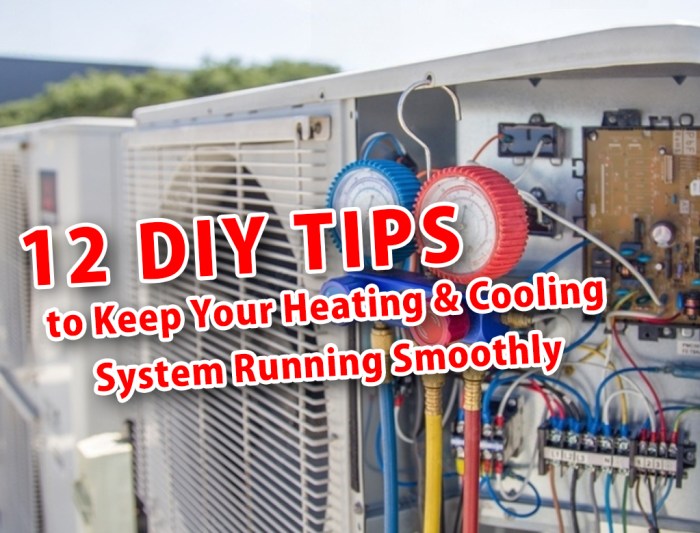
When it comes to your HVAC system, troubleshooting common issues on your own can save you time and money. Here are some tips on how to identify when professional help is needed and a guide on resetting HVAC systems for minor issues.
Common HVAC Issues Homeowners Can Troubleshoot
- Check the thermostat settings to ensure they are correctly set for heating or cooling.
- Inspect the air filters and replace them if dirty or clogged to improve airflow.
- Examine the circuit breaker to make sure the HVAC system is receiving power.
- Look for any visible leaks in the ductwork or around the unit that may need sealing.
Identifying When Professional Help is Needed
- If you hear strange noises coming from the HVAC system, such as banging or rattling, it may indicate a mechanical issue that requires professional attention.
- If there is no improvement in airflow or temperature control after troubleshooting basic issues, it's best to call a professional for a more in-depth inspection.
- Any issues related to gas leaks or refrigerant leaks should be addressed by a qualified technician to prevent safety hazards.
Guide on Resetting HVAC Systems for Minor Issues
- Turn off the power to the HVAC system from the circuit breaker for a few minutes, then turn it back on to reset the system.
- Check the user manual for specific instructions on how to perform a system reset for your particular HVAC model.
- If the issue persists after resetting the system, it's time to contact a professional for further troubleshooting and repairs.
Energy Efficiency Tips for DIY HVAC
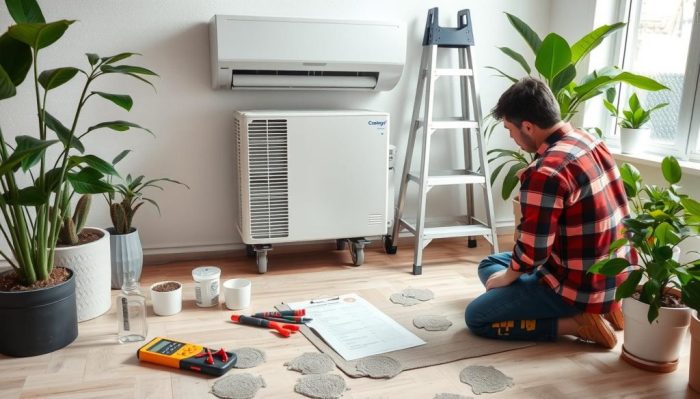
Improving the energy efficiency of HVAC systems is not only beneficial for the environment but can also help you save money on your energy bills. By implementing some simple DIY maintenance tasks and strategies, you can reduce energy consumption and ensure your HVAC system operates at its best.
Regular Filter Replacement
One of the easiest and most effective ways to improve energy efficiency is by regularly replacing your HVAC system's air filters. Clogged or dirty filters can restrict airflow, causing your system to work harder and consume more energy.
Sealing and Insulation
Properly sealing and insulating your home can prevent air leaks and ensure that conditioned air stays inside. This can significantly reduce the workload on your HVAC system and lower your energy bills.
Programmable Thermostat
Installing a programmable thermostat allows you to set specific temperature schedules based on your daily routine. This can help you avoid unnecessary heating or cooling when you're not at home, leading to energy savings.
Air Duct Cleaning
Regularly cleaning your air ducts can improve airflow and efficiency. Dust and debris can accumulate in the ducts, hindering the system's performance and causing it to consume more energy.
Ending Remarks
As we conclude our exploration of DIY HVAC tips, remember that regular maintenance not only saves you money in the long run but also ensures your comfort and safety. By following these guidelines, you can enjoy a well-functioning HVAC system for years to come.
Key Questions Answered
How often should I clean my HVAC filters?
Cleaning HVAC filters every 1-3 months is ideal to maintain optimal performance and air quality.
What are signs that indicate I need professional help for HVAC issues?
If you notice strange noises, inconsistent heating/cooling, or frequent breakdowns, it's time to call a professional HVAC technician.
Can DIY insulation really help reduce energy bills?
Yes, proper insulation and sealing can significantly improve energy efficiency, leading to lower energy bills over time.