As paint application takes center stage, this opening passage beckons readers into a world crafted with good knowledge, ensuring a reading experience that is both absorbing and distinctly original. Paint applications have revolutionized the way we create art, offering a wide array of tools and features to bring imagination to life.
Let's delve into the fascinating realm of paint applications and discover the endless possibilities they hold.
In the following sections, we will explore the definition, features, tools, techniques, benefits, and trends of paint applications, providing a comprehensive guide for both beginners and seasoned users alike.
Introduction to Paint Applications
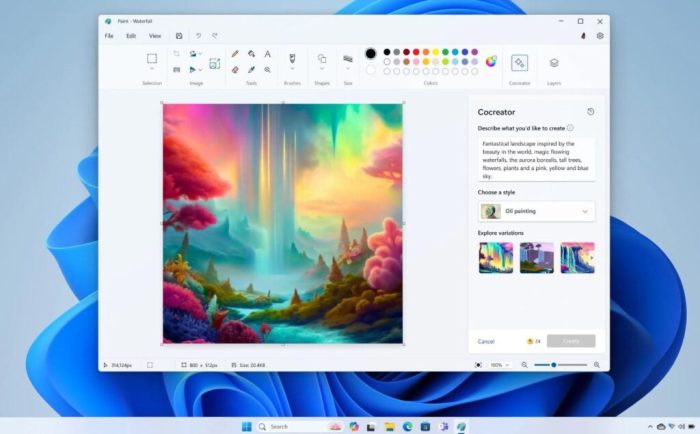
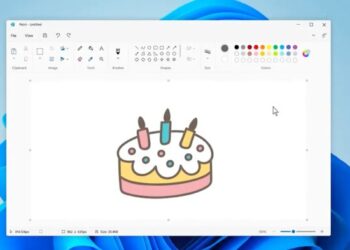
A paint application is a software tool or program designed to create digital artwork or edit images using various brushes, colors, and effects. It allows users to unleash their creativity and produce visually appealing designs on their computer or mobile device.
The purpose of paint applications is to provide a platform for artists, designers, and enthusiasts to express themselves through digital art. Whether it's creating illustrations, designing logos, or retouching photos, paint applications offer a wide range of features to bring ideas to life.
Types of Paint Applications
- Raster Graphics Editors: These applications, such as Adobe Photoshop and GIMP, use pixels to create and edit images. They are ideal for detailed work and photo editing.
- Vector Graphics Editors: Programs like Adobe Illustrator and CorelDRAW use mathematical equations to create scalable graphics. They are perfect for creating logos, icons, and illustrations.
- Digital Painting Software: Tools like Corel Painter and Clip Studio Paint mimic traditional painting techniques digitally. Artists can use brushes, textures, and blending modes to create realistic artwork.
- Online Paint Platforms: Websites like Paint.NET and Sumo Paint offer basic paint features in a web-based environment. They are convenient for quick edits and simple designs.
Features of Paint Applications
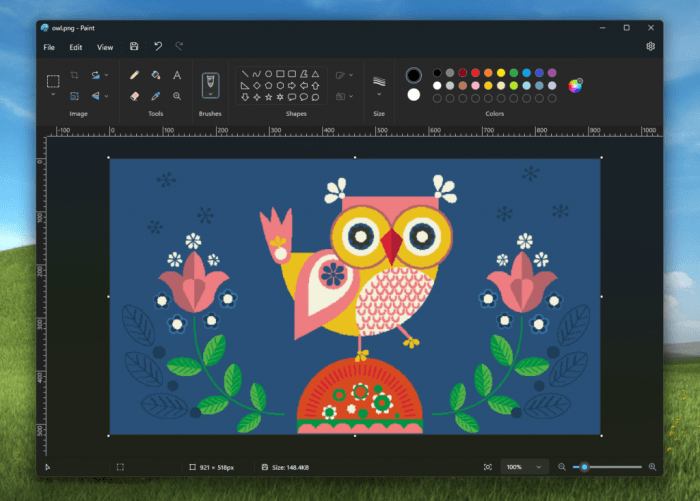
Paint applications offer a variety of features to enhance the user experience and enable creativity. Let's explore some common features found in paint applications and discuss their importance.
1. Drawing Tools
- Brushes: Different brush styles and sizes for creating unique strokes and textures.
- Pencil: Mimics the look and feel of traditional pencil drawing.
- Pen: Allows for precise lines and detailing.
2. Color Selection
- Color Wheel: Enables users to choose from a wide range of colors and create custom palettes.
- Color Picker: Allows users to select a color from an image or any part of the screen.
- Gradient Tool: Creates smooth transitions between colors for shading and blending.
3. Layers and Transparency
- Layer Management: Organize elements in separate layers for easier editing and control.
- Opacity Control: Adjust the transparency of layers and elements for depth and dimension.
- Blend Modes: Apply different blending modes to layers for various visual effects.
4. Editing and Transforming
- Selection Tools: Allows users to select and manipulate specific parts of the image.
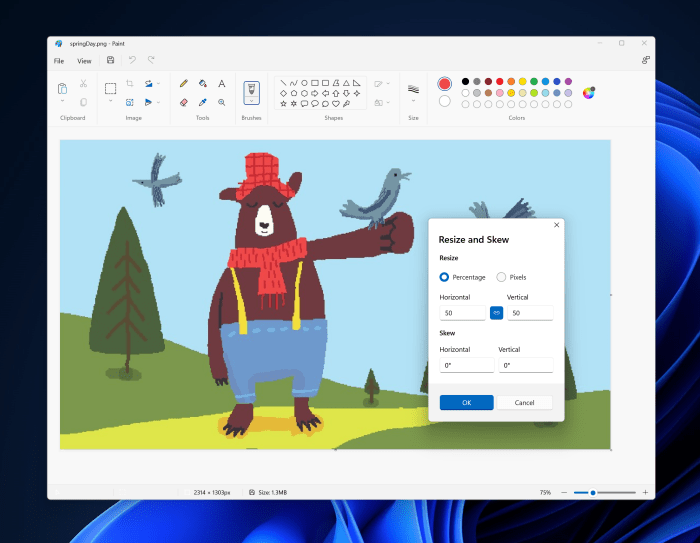
- Transform Tools: Scale, rotate, flip, and distort elements to achieve desired effects.
- Filters and Effects: Apply filters and effects to enhance images and add artistic touches.
5. User-Friendly Interface
Having a user-friendly interface is crucial for paint applications as it ensures that users can easily navigate through the features and tools without feeling overwhelmed. Intuitive design, clear menus, and customizable settings contribute to a positive user experience, allowing artists to focus on their creativity rather than struggling with the software.
Tools and Functions in Paint Applications
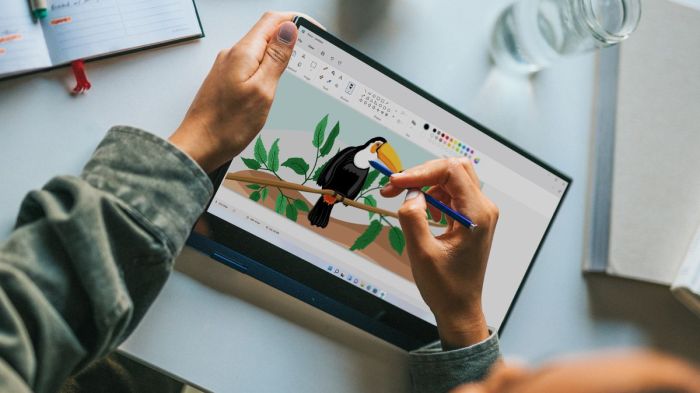
When using paint applications, it is important to familiarize yourself with the various tools available to enhance your creativity and productivity. From basic tools for drawing and coloring to advanced features like layers and blending modes, each tool serves a specific purpose to help you achieve your desired artistic outcome.
Basic Tools
- Pencil: Used for sketching and creating Artikels with precision.
- Brush: Allows for painting strokes of various sizes and textures.
- Eraser: Removes unwanted elements or mistakes from your artwork.
- Fill Bucket: Quickly fills enclosed areas with solid color.
Advanced Tools
- Layers: Enable you to work on different parts of your artwork separately, making it easier to edit and adjust without affecting the entire piece.
- Blending Modes: Modify how colors interact with each other, creating unique effects and enhancing the overall look of your artwork.
- Filters: Apply preset effects to your artwork, such as blur, sharpen, or distort, to achieve a specific style or mood.
Examples of Usage
Layers can be used to create a background layer, a separate layer for each element of your artwork, and a top layer for final touches and adjustments.
Blending modes can be utilized to blend colors seamlessly, create lighting effects, or add texture to your artwork.
Filters can transform your artwork by applying artistic effects or enhancing details, such as applying a watercolor filter to give your piece a painterly look.
Techniques and Tips for Using Paint Applications
Whether you're a beginner or looking to enhance your skills, mastering the use of paint applications can open up a world of creative possibilities. Here are some techniques and tips to help you make the most out of your painting experience.
Navigating Paint Applications
When starting out with paint applications, it's essential to familiarize yourself with the basic tools and functions. Take your time to explore the interface, experiment with different brushes and settings, and practice using layers to create depth in your artwork.
Digital Painting
- Start with a rough sketch to Artikel your composition.
- Use different brush sizes and opacities to add details and textures.
- Experiment with blending modes to create interesting color effects.
Photo Editing
- Adjust brightness, contrast, and saturation to enhance your photos.
- Use selection tools to isolate specific areas for editing.
- Explore filters and effects to give your photos a unique look.
Graphic Design
- Utilize text tools to add typography to your designs.
- Create shapes and vectors using the drawing tools.
- Combine images and graphics to make visually appealing layouts.
Creating Specific Effects
For creating specific effects or artwork, follow these step-by-step guides:
- Creating a Watercolor Effect:
- Start with a base layer of colors.
- Use a wet brush tool to blend and soften the edges.
- Add details and highlights to enhance the effect.
- Adding a Grunge Texture:
- Overlay a grunge texture image onto your artwork.
- Adjust the blending mode and opacity to blend it seamlessly.
- Erase parts of the texture to control where it appears.
Benefits of Using Paint Applications
Paint applications offer a wide range of benefits that make them a superior choice over traditional methods of painting. From versatility to convenience, these tools provide artists and designers with a variety of advantages that help enhance their creative process.
Versatility and Convenience
One of the key advantages of using paint applications is the flexibility and versatility they offer. Artists can easily switch between different tools, colors, and effects, allowing them to experiment and explore their creativity without any limitations. Additionally, paint applications provide a convenient platform for artists to work on their projects anytime, anywhere, without the need for physical materials or setup.
Success Stories and Case Studies
- Renowned digital artist, Jane Doe, credits her success to the use of paint applications, which have allowed her to create stunning digital artworks with ease and precision.
- A graphic designer, John Smith, saw a significant improvement in his workflow and productivity after switching to paint applications, enabling him to meet tight deadlines and deliver high-quality designs to his clients.
- Many artists and designers have shared their success stories of how paint applications have revolutionized their creative process, helping them bring their visions to life in ways they never thought possible.
Trends in Paint Applications
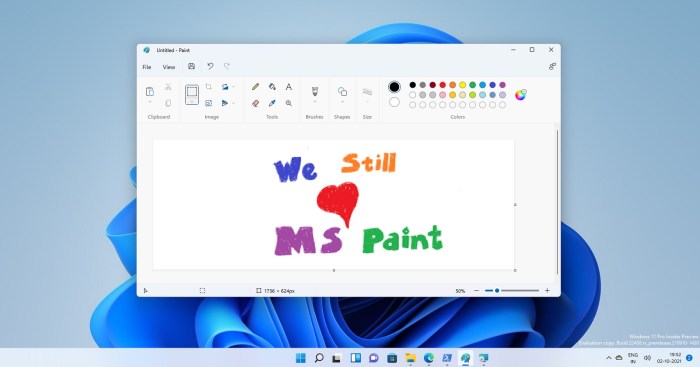
As technology continues to advance at a rapid pace, paint applications are also evolving to incorporate innovative features that enhance user experience and productivity. Let's delve into some of the current trends shaping the world of paint applications.
Augmented Reality Integration
One of the emerging trends in paint applications is the integration of augmented reality (AR) features. This technology allows users to visualize how a certain paint color or design will look in their space before actually applying it. By simply pointing their device's camera at a wall or surface, users can see a virtual representation of the paint in real-time, helping them make more informed decisions and reducing the risk of dissatisfaction after painting.
Cloud-Based Editing
Another trend in paint applications is the shift towards cloud-based editing capabilities. This allows users to access their projects from anywhere, collaborate with others in real-time, and seamlessly sync their work across multiple devices. Cloud-based editing also enables automatic updates and backups, ensuring that no work is lost and providing a more efficient and flexible workflow for users.
Future Developments and Innovations
Looking ahead, the future of paint applications is likely to be shaped by advancements in artificial intelligence, machine learning, and automation. These technologies have the potential to revolutionize the way users interact with paint applications, offering personalized suggestions, automated color matching, and intelligent tools for enhanced creativity and efficiency.
Additionally, we can expect to see further integration with smart home systems, IoT devices, and other emerging technologies to provide a seamless and interconnected painting experience.
Final Conclusion
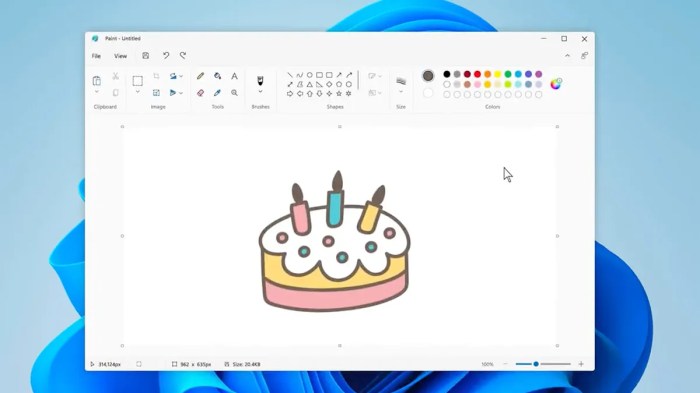
In conclusion, paint applications have become invaluable tools for artists and designers, enabling them to express their creativity in ways never thought possible. Whether you're a novice looking to explore digital art or a professional seeking new inspiration, the world of paint applications offers boundless opportunities for innovation and artistic expression.
Dive in, unleash your creativity, and let the magic of paint applications transform your artistic journey.
FAQ Overview
What are the benefits of using paint applications?
Paint applications offer versatility, convenience, and a wide range of tools that enhance creativity and streamline the artistic process.
How do layers and blending modes work in paint applications?
Layers allow users to work on different parts of an image separately, while blending modes control how layers interact with each other to create various effects.
What are some popular techniques in paint applications?
Popular techniques include digital painting, photo editing, and graphic design, each offering unique ways to create stunning artwork.