Diving into the world of Philip Johnson, this introduction sets the stage for an intriguing exploration of his life, work, and impact on the field of architecture. From his humble beginnings to his controversial projects, Philip Johnson's story is a tapestry of creativity and controversy that continues to shape modern architecture.
As we uncover the layers of Philip Johnson's architectural journey, we will discover the essence of his style, the significance of his contributions, and the controversies that have colored his legacy.
Background of Philip Johnson
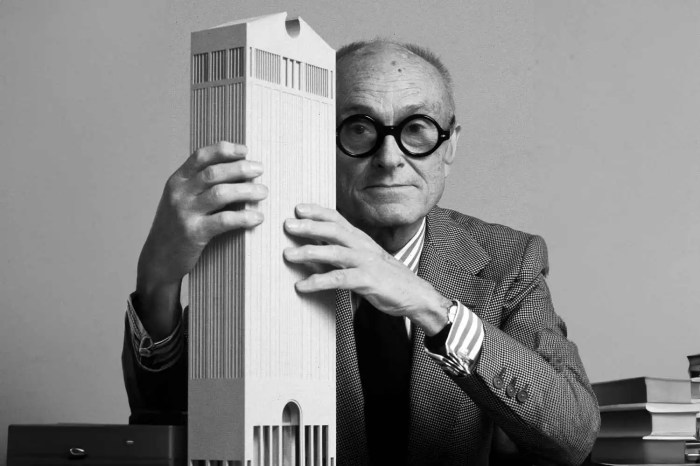
Philip Johnson was born on July 8, 1906, in Cleveland, Ohio. He studied at Harvard University, where he was introduced to the world of architecture. Johnson's interest in architecture grew during his time at Harvard, leading him to pursue a career in the field.
Early Life and Education
Philip Johnson's early life was marked by a passion for the arts and design. He initially studied philosophy and Greek at Harvard University but later shifted his focus to architecture. Johnson was heavily influenced by his professor, Marcel Breuer, who played a significant role in shaping his architectural vision.
Involvement in Architecture
After graduating from Harvard in 1930, Philip Johnson traveled to Europe, where he was exposed to various architectural styles and movements. Upon returning to the United States, he collaborated with architect Henry-Russell Hitchcock on the seminal exhibition "Modern Architecture: International Exhibition" at the Museum of Modern Art in New York City in 1932.
This event marked Johnson's official entry into the world of architecture.
Major Influences in Architectural Career
Philip Johnson was greatly influenced by the works of Ludwig Mies van der Rohe, with whom he later collaborated on iconic projects such as the Seagram Building in New York City. Johnson's architectural style evolved over the years, ranging from modernist designs to postmodernist structures like the AT&T Building in Manhattan.
His ability to adapt and innovate made him a significant figure in the world of architecture, leaving a lasting impact on the built environment.
Architectural Style of Philip Johnson
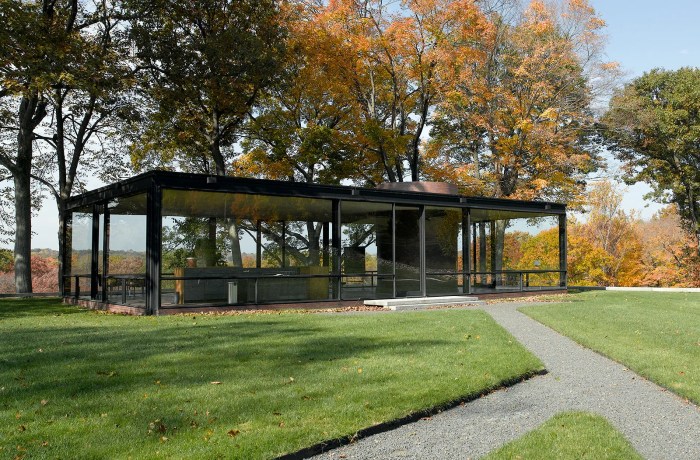
Philip Johnson's architectural style is characterized by a blend of traditional and modern elements, often incorporating glass and steel to create sleek and minimalist structures. His work is known for its simplicity, geometric shapes, and attention to detail.
Key Characteristics of Philip Johnson’s Architectural Style
- Use of glass and steel materials
- Minimalist design with clean lines
- Incorporation of geometric shapes
- Attention to detail in every aspect of the design
Examples of Famous Buildings Designed by Philip Johnson
- Seagram Building in New York City
- Glass House in New Canaan, Connecticut
- AT&T Building (now Sony Tower) in New York City
- Crystal Cathedral in Garden Grove, California
Evolution of Philip Johnson’s Style
Over the course of his career, Philip Johnson's style evolved from a more traditional approach to embracing modernism and experimenting with innovative materials and forms. He started with designs heavily influenced by classical architecture before transitioning to the sleek and contemporary style he became known for.
Johnson's willingness to adapt and evolve with the times contributed to his lasting impact on the world of architecture.
Impact of Philip Johnson on Modern Architecture
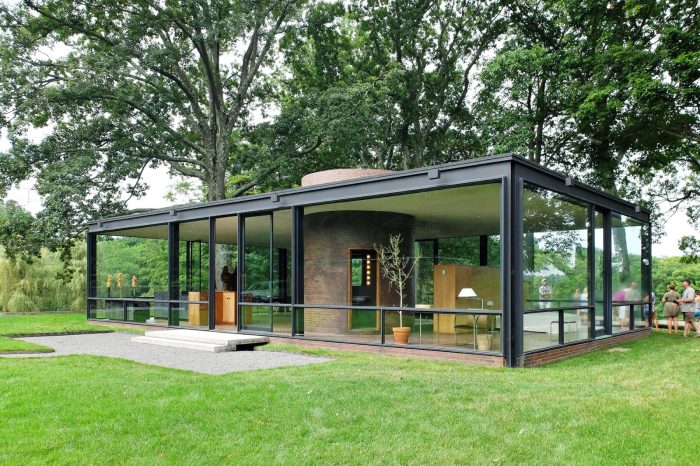
Philip Johnson's influence on modern architecture is profound, shaping the way we perceive and design buildings today.
Architectural Innovation
Philip Johnson's designs pushed the boundaries of traditional architecture, introducing innovative concepts and bold new forms. His iconic glass house in New Canaan, Connecticut, showcased his groundbreaking approach to transparency and simplicity in design.
Collaborations and Mentorship
- Johnson's collaborations with other renowned architects like Mies van der Rohe and his mentorship of aspiring architects have paved the way for new ideas and perspectives in the field.
- His role in founding the Department of Architecture and Design at the Museum of Modern Art in New York City provided a platform for emerging talents to showcase their work and continue his legacy.
Legacy in Architectural Theory
Philip Johnson's writings and lectures on architecture have had a lasting impact on architectural theory, influencing generations of architects to think critically about the built environment and its relationship to society.
Controversies Surrounding Philip Johnson

Philip Johnson, despite his influential role in modern architecture, was not without controversies. These controversies spanned both his personal life and some of his architectural projects, impacting his reputation in the architectural community.
Controversial Personal Life
Philip Johnson's personal life was not free from controversy. One of the most notable controversies was his association with fascist and Nazi ideologies in his early years. Johnson expressed admiration for Hitler's architecture and attended pro-Nazi events in the 1930s.
This controversial aspect of his past haunted him throughout his career, raising questions about his moral character.
Controversial Architectural Projects
Some of Philip Johnson's architectural projects also stirred controversy. One such project was the AT&T Building in New York City, now known as the Sony Tower. The design of the building, with its oversized Chippendale-style pediment, sparked debates about postmodern architecture and its appropriateness in a modern cityscape.
Critics argued that the building clashed with the surrounding skyscrapers and failed to respect the architectural context of the area.Another controversial project was the Crystal Cathedral in California. While the building was praised for its innovative use of glass, it also faced criticism for its extravagant design and high cost.
Some questioned the practicality of the structure and its functionality as a place of worship, leading to debates within the architectural community.
Impact on Reputation
These controversies had a lasting impact on Philip Johnson's reputation. While he continued to be celebrated for his architectural contributions, the shadow of his controversial past and projects followed him throughout his career. Critics often brought up these controversies when discussing his work, tarnishing his legacy in the eyes of some.
Despite this, Johnson's influence on modern architecture remains undeniable, but his reputation will always be colored by the controversies that surrounded him.
Outcome Summary
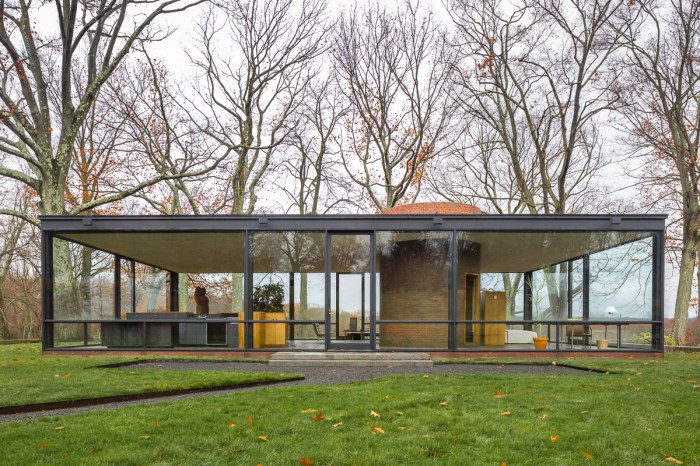
In conclusion, Philip Johnson's imprint on modern architecture is undeniable. His innovative designs, bold statements, and sometimes controversial choices have left a lasting mark on the architectural landscape. As we reflect on his life and work, we are reminded of the complexities and brilliance that defined Philip Johnson as a visionary architect.
FAQ Corner
Was Philip Johnson self-taught in architecture?
Philip Johnson studied at Harvard University and later at the Harvard Graduate School of Design, where he developed his passion and skills for architecture.
What are some examples of famous buildings designed by Philip Johnson?
Some iconic buildings designed by Philip Johnson include the Glass House, the AT&T Building, and the Crystal Cathedral.
How did Philip Johnson influence modern architecture?
Philip Johnson's innovative designs and groundbreaking concepts have inspired generations of architects and reshaped the architectural landscape.
What controversies surrounded Philip Johnson?
Controversies surrounding Philip Johnson include his association with fascist ideologies in his early years and criticism of some of his architectural projects for their aesthetic and contextual impact.