With hardie siding at the forefront, this paragraph opens a window to an amazing start and intrigue, inviting readers to embark on a storytelling journey filled with unexpected twists and insights.
Hardie siding is a popular choice for homeowners looking for durability and style. From its low maintenance requirements to the variety of styles and colors available, there's much to discover about this versatile siding option. Let's delve into the world of Hardie siding and uncover what makes it a top choice for many.
Benefits of Hardie Siding
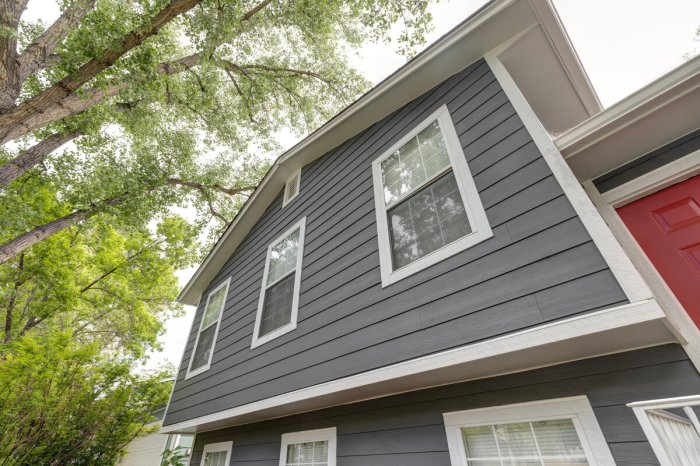
Hardie siding offers a range of benefits that make it a popular choice for homeowners looking for durable and low-maintenance siding options.
Durability
Hardie siding is known for its exceptional durability, outperforming other siding materials like vinyl or wood. Made from fiber cement, Hardie siding is resistant to rotting, warping, and cracking, ensuring a long-lasting exterior for your home.
Low Maintenance
One of the key advantages of Hardie siding is its low maintenance requirements. Unlike wood siding that needs regular painting and staining, Hardie siding comes pre-finished with a durable paint that resists fading and chipping, reducing the need for frequent upkeep.
Variety of Styles and Colors
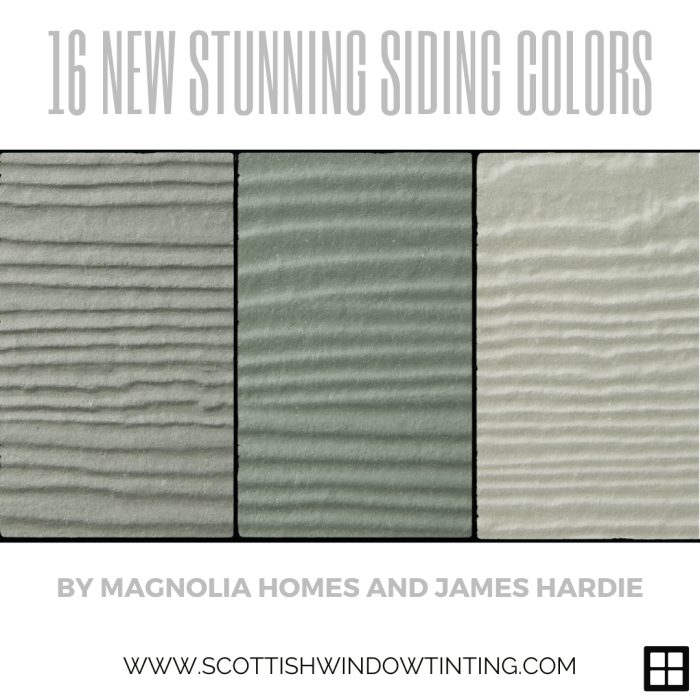
Hardie siding offers a wide range of styles and colors to suit any home design or aesthetic preference. Whether you prefer the look of traditional lap siding or the modern appeal of vertical siding, Hardie has options to match your vision.
Plus, with a variety of colors available, you can customize your home's exterior to reflect your personal style.
Installation of Hardie Siding
Installing Hardie siding can significantly enhance the appearance and durability of your home. Here is a step-by-step guide on how to properly install Hardie siding, along with the tools and materials needed, as well as common mistakes to avoid during the process.
Tools and Materials Needed
To install Hardie siding, you will need the following tools and materials:
- Hardie siding panels
- Nails or screws
- Tape measure
- Pencil
- Straight edge
- Circular saw or shears
- Hammer or nail gun
- Level
- Work gloves and safety glasses
Step-by-Step Guide
- Prepare the surface: Make sure the surface is clean, dry, and free of any debris.
- Measure and cut: Measure the dimensions of the area to be covered and cut the Hardie siding panels accordingly.
- Install the starter strip: Begin by installing the starter strip at the bottom of the wall.
- Attach the siding panels: Secure the siding panels to the wall using nails or screws, making sure they are level and properly aligned.
- Overlap the panels: Make sure to overlap the panels according to the manufacturer's instructions to ensure proper water drainage.
- Finish with trim: Complete the installation by adding trim pieces around windows, doors, and corners for a polished look.
Common Mistakes to Avoid
- Improper surface preparation: Failing to clean and prepare the surface can lead to poor adhesion and durability.
- Incorrect measurements and cuts: Precision is key when measuring and cutting the siding panels to ensure a seamless fit.
- Improper fastening: Using the wrong type of nails or screws, or failing to secure the panels properly, can result in loose or uneven siding.
- Skipping trim installation: Neglecting to add trim pieces can leave exposed edges vulnerable to damage and detract from the overall appearance.
Maintenance and Care of Hardie Siding
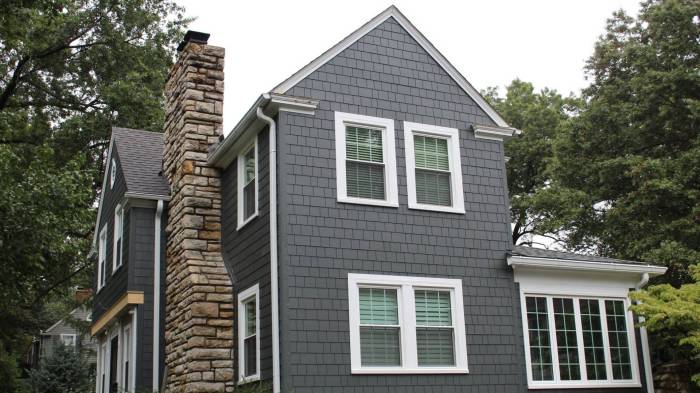
Proper maintenance and care are essential to ensure the longevity and appearance of your Hardie siding. By following these tips, you can keep your siding looking great for years to come.To clean Hardie siding, use a soft brush or cloth with mild soap and water.
Avoid using high-pressure washers, as they can damage the siding. Rinse thoroughly with clean water after washing to remove any residue.
Preventing Damage to Hardie Siding
- Regularly inspect your siding for any signs of damage, such as cracks or chips, and repair them promptly to prevent further issues.
- Avoid placing heat sources, like grills or fire pits, too close to the siding to prevent warping or discoloration.
- Trim any overhanging branches or foliage that could scratch or damage the siding.
- Ensure proper drainage around your home to prevent water from pooling near the siding, which can lead to water damage.
Recommended Maintenance Frequency
- Inspect your Hardie siding at least once a year to check for any damage or signs of wear and tear.
- Consider giving your siding a thorough cleaning every 6-12 months, depending on your location and exposure to elements like dirt, mold, or pollen.
- Regularly clean your gutters to prevent water overflow, which can cause damage to your siding.
Cost Considerations of Hardie Siding
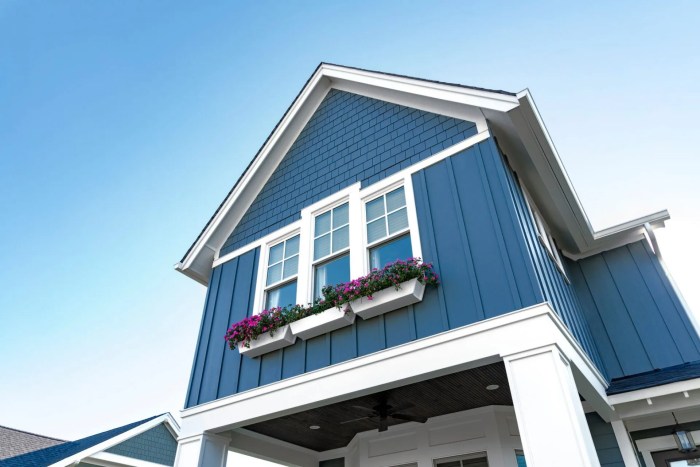
When considering siding options for your home, one important factor to take into account is the overall cost. Hardie siding is known for its durability and low maintenance, but how does its cost compare to other popular siding materials?
Comparing Cost with Other Siding Materials
- Hardie siding is generally more expensive upfront compared to vinyl siding, which is known for its affordability.
- However, when compared to natural wood siding or cedar siding, Hardie siding can be a more cost-effective option in the long run due to its durability and longevity.
- Fiber cement siding like Hardie is also more cost-effective than stucco or brick siding, which can be significantly pricier to install.
Factors Affecting Installation Cost
- The size of your home and the amount of siding needed will directly impact the overall cost of installation.
- Additional factors such as the complexity of the design, the need for insulation or weatherproofing, and labor costs in your area can also affect the final cost.
- Opting for additional features like trim work, decorative finishes, or color customization can also increase the overall cost of installing Hardie siding.
Long-Term Cost Savings with Hardie Siding
- While Hardie siding may have a higher initial cost, its longevity and minimal maintenance requirements can lead to significant cost savings over time.
- Hardie siding is resistant to rot, pests, and harsh weather conditions, reducing the need for frequent repairs or replacements.
- With proper care and maintenance, Hardie siding can last for decades, making it a cost-effective choice for homeowners looking for a durable and reliable siding option.
Final Wrap-Up
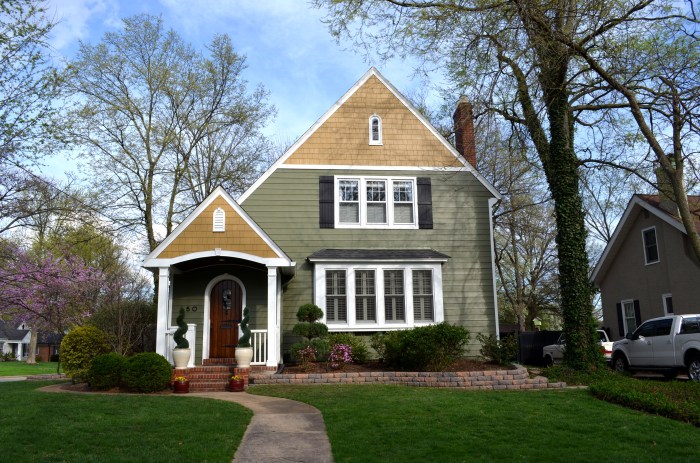
In conclusion, Hardie siding offers a winning combination of durability, style, and low maintenance. Whether you're considering a new siding installation or looking to upgrade your current siding, Hardie siding proves to be a reliable and cost-effective choice. Dive into the world of Hardie siding and transform the look of your home with this exceptional option.
Quick FAQs
How does the durability of Hardie siding compare to other materials?
Hardie siding is known for its exceptional durability, outperforming many other siding materials in terms of longevity and resistance to elements like moisture and rot.
What tools and materials are needed for a successful Hardie siding installation?
Some essential tools and materials for Hardie siding installation include a circular saw, tape measure, pry bar, caulking gun, and of course, Hardie siding panels.
How can I properly clean Hardie siding to maintain its appearance?
To clean Hardie siding, a mixture of mild soap and water can be used with a soft brush or cloth. Avoid using high-pressure washers to prevent damage to the siding.
What are the long-term cost savings associated with choosing Hardie siding?
While Hardie siding may have a higher initial cost, its durability and low maintenance requirements can result in significant cost savings over time compared to other siding materials.