With local architecture at the forefront, this paragraph opens a window to an amazing start and intrigue, inviting readers to embark on a storytelling filled with unexpected twists and insights.
Local architecture is a fascinating reflection of cultural identity and historical evolution, showcasing unique features and design elements that captivate the imagination.
Definition of Local Architecture
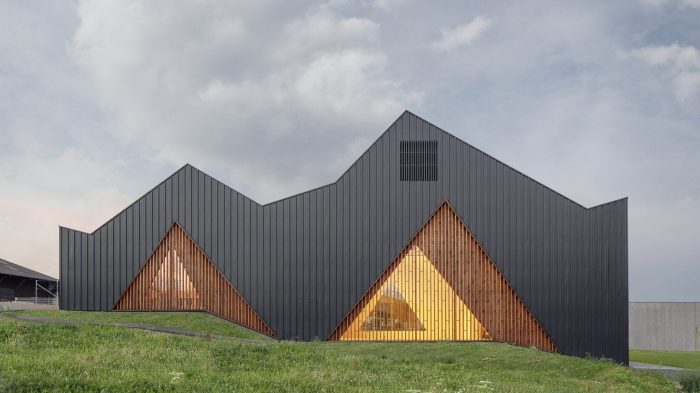
Local architecture refers to the unique and traditional building styles, materials, and techniques that are specific to a particular region or community. It reflects the cultural, historical, and environmental influences of the area, making each structure a representation of the local identity.Local architecture plays a significant role in different regions by preserving heritage, promoting sustainability, and fostering a sense of belonging among the residents.
It serves as a visual record of the community's history, values, and way of life, making it an essential part of the cultural landscape.
Examples of Unique Features in Local Architecture
- Adobe construction in the southwestern United States, characterized by thick walls made of earth and straw, providing natural insulation against extreme temperatures.
- Stilt houses in Southeast Asia, built above water or on stilts to protect against flooding and pests, utilizing local materials such as bamboo and palm leaves.
- Thatched roofs in Europe, made of natural materials like straw, reeds, or heather, showcasing a sustainable and environmentally-friendly building technique.
- Mud brick architecture in the Middle East, using sun-dried mud bricks to create structures that blend seamlessly with the desert landscape, offering thermal mass benefits.
Influences on Local Architecture
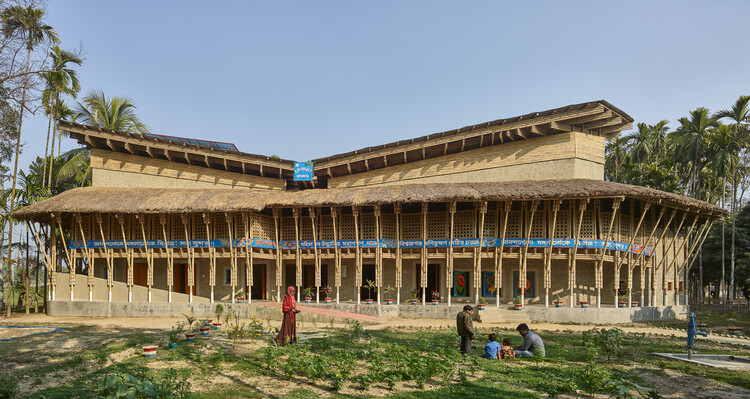
Cultural influences, climate, geography, and historical events play significant roles in shaping the architecture of a region. Let's delve into how these factors impact the design of local buildings.
Cultural Influences on Local Architecture
Cultural influences heavily impact the architecture of a region, reflecting the beliefs, traditions, and lifestyles of the local population. For example, in areas with a strong Islamic influence, you may see intricate geometric patterns and domed structures in mosques and other buildings.
Similarly, regions with a colonial past might showcase a mix of European and local architectural styles.
Climate and Geography in Architectural Design
The climate and geography of a region also play a crucial role in shaping local architecture. In hot and arid climates, buildings often feature thick walls and small windows to provide insulation and shade. On the other hand, regions prone to earthquakes may have buildings designed with flexible structures to withstand seismic activity.
Historical Events Shaping Architectural Styles
Historical events have a lasting impact on architectural styles in a region. For instance, periods of war or colonization can lead to the destruction or reconstruction of buildings, influencing the architectural aesthetic. Additionally, economic booms or busts can result in the construction of grandiose or more modest structures, reflecting the socio-economic conditions of the time.
Materials Used in Local Architecture
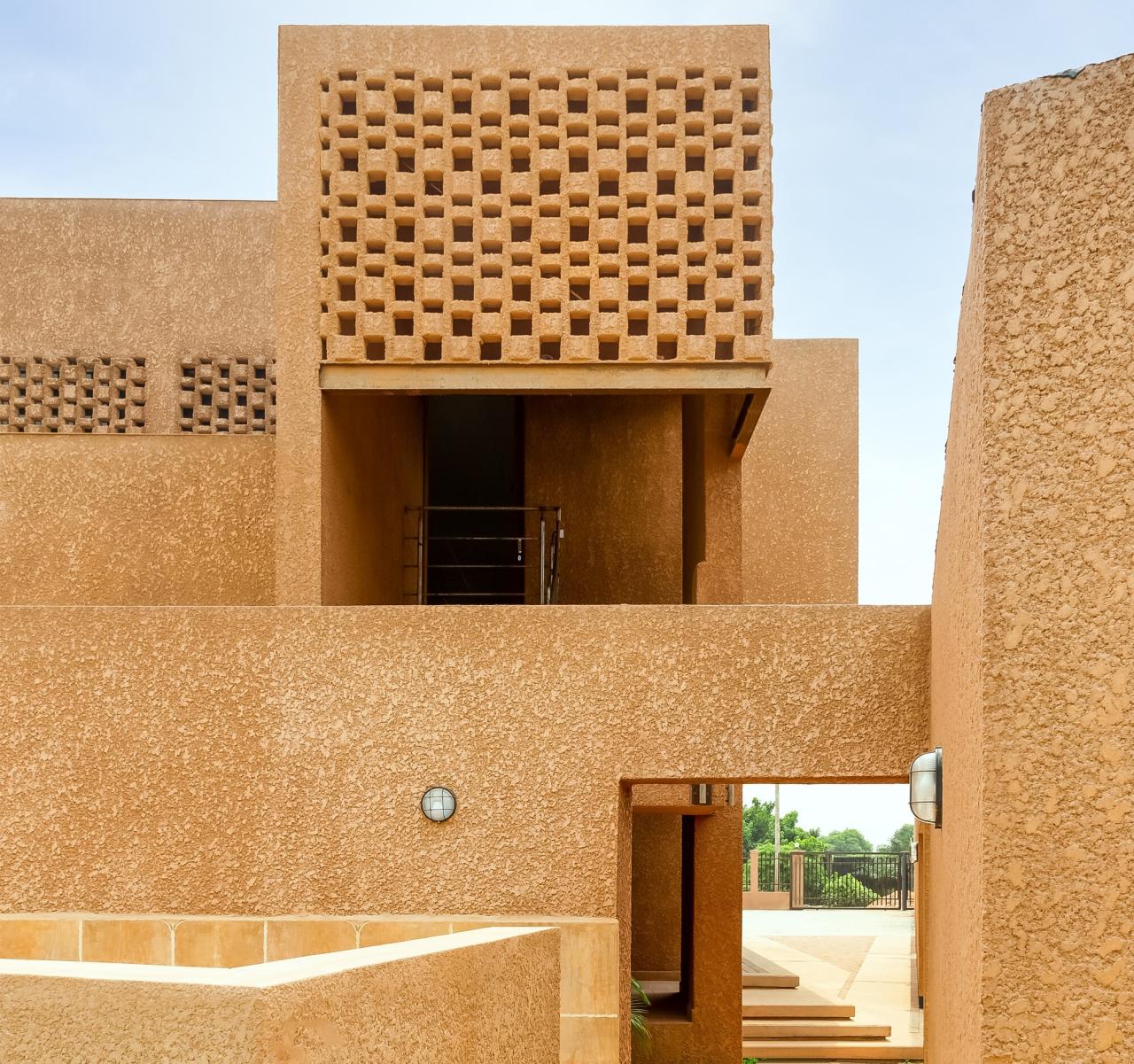
In local architecture, various materials are utilized to construct buildings, each with its own unique characteristics and sustainability considerations.
Common Materials Used:
- Brick: A popular choice due to its durability and insulating properties.
- Wood: Often used for its natural aesthetic appeal and flexibility in design.
- Stone: Known for its strength and timeless appearance, commonly used in historical buildings.
- Concrete: Versatile and strong, frequently used in modern constructions.
- Adobe: Made from earth and organic materials, sustainable and energy-efficient.
Sustainability Aspects:
The materials used in local architecture play a crucial role in the sustainability of buildings. For example, choosing locally sourced materials reduces carbon emissions from transportation. Additionally, materials like adobe and wood are renewable and have low environmental impact. Proper insulation materials can also contribute to energy efficiency and reduce the building's carbon footprint.
Availability Impact on Design:
The availability of materials greatly influences the design of local structures. In areas where certain materials are abundant, architects may incorporate them into the design to take advantage of their benefits. Conversely, in regions where specific materials are scarce or expensive, architects may need to adapt the design to accommodate alternative materials that are more readily available.
Traditional vs. Modern Local Architecture
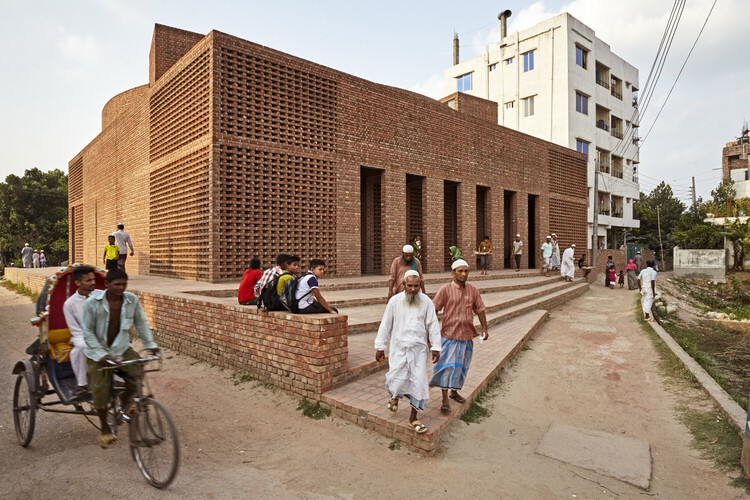
Traditional local architecture often reflects the historical and cultural heritage of a region, utilizing materials and design elements that have been passed down through generations. On the other hand, modern local architecture incorporates contemporary styles, materials, and technologies to create innovative and sustainable structures that meet the needs of today's society.
Influences on Architectural Styles
- Traditional local architecture is heavily influenced by the cultural beliefs, practices, and available resources of a community. It often features intricate carvings, vibrant colors, and unique building techniques that have been perfected over time.
- Modern local architecture, on the other hand, is influenced by advancements in technology, globalization, and the need for more efficient and eco-friendly construction methods. This has led to the incorporation of steel, glass, and concrete in contemporary designs.
Impact of Modern Technologies
- Modern technologies such as 3D modeling, sustainable building materials, and energy-efficient systems have revolutionized the way local architecture is designed and constructed. These advancements have allowed architects to create structures that are not only visually appealing but also environmentally friendly.
- While traditional local architecture may struggle to keep up with these modern technologies, there is a growing trend towards blending traditional design elements with contemporary innovations to create a harmonious balance between the past and the future.
Preservation Efforts
- Preserving traditional local architecture in the face of modernization is crucial to maintaining a community's cultural identity and heritage. Efforts such as restoration projects, adaptive reuse of old buildings, and strict zoning regulations can help protect historical structures from being demolished or overshadowed by modern developments.
- By promoting awareness of the value of traditional architecture and encouraging the use of local materials and construction techniques, communities can ensure that their architectural heritage continues to thrive alongside modern advancements.
End of Discussion
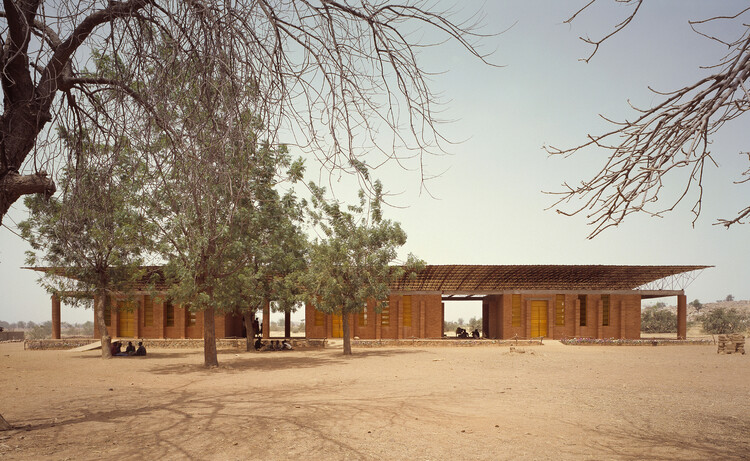
As we conclude our journey through the realm of local architecture, we are reminded of the rich tapestry of influences that shape these structures, from cultural heritage to environmental considerations. Exploring the interplay of tradition and innovation, local architecture continues to inspire awe and admiration for its timeless beauty and significance.
Common Queries
What defines local architecture?
Local architecture encompasses the unique building styles and designs that are characteristic of a specific region, reflecting its culture, history, and environment.
How do materials impact local architecture?
The materials used in local architecture play a crucial role in defining the aesthetic and structural integrity of buildings, as well as influencing sustainability and design choices.
What is the significance of preserving traditional local architecture?
Preserving traditional local architecture is essential for maintaining cultural identity, heritage, and historical continuity in the face of modernization and globalization.