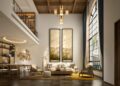
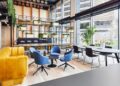
Step into the realm of modern design where innovation meets aesthetics, creating a visual symphony that captivates the senses. From architectural marvels to sleek interior spaces, modern design beckons with a promise of sophistication and style.
Delve deeper into the realm of modern design as we unravel its core principles, explore its elements, and journey through iconic architectural landmarks and interior spaces that embody its essence.
Understanding Modern Design Principles
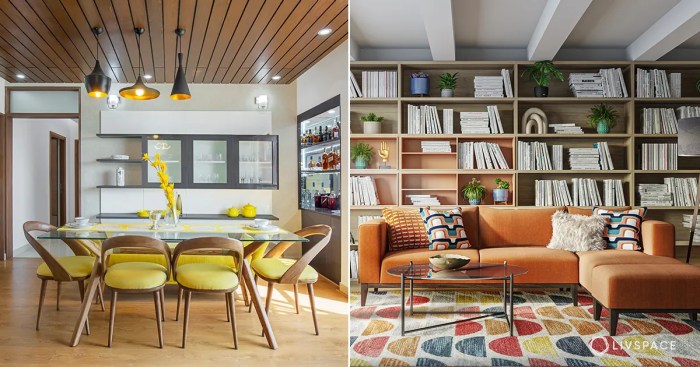
Modern design is characterized by clean lines, minimalism, and functionality. It focuses on simplicity and the use of technology and materials in innovative ways.
Core Principles of Modern Design
- Minimalism: Modern design emphasizes simplicity and minimal ornamentation.
- Functionality: Objects are designed to be practical and serve a purpose.
- Use of Technology: Modern design often incorporates new technologies and materials.
- Open Floor Plans: Spaces are often open and uncluttered, promoting a sense of flow and openness.
Key Characteristics of Modern Design
- Clean Lines: Straight, simple lines are a hallmark of modern design.
- Neutral Colors: Modern design often features a neutral color palette with pops of bold colors for contrast.
- Minimalist Decor: Clutter is minimized, and every element serves a purpose.
Comparison to Other Design Styles
Modern design can be distinguished from minimalist design by its use of technology and materials, while traditional design often features ornate details and a more classic aesthetic.
Elements of Modern Design
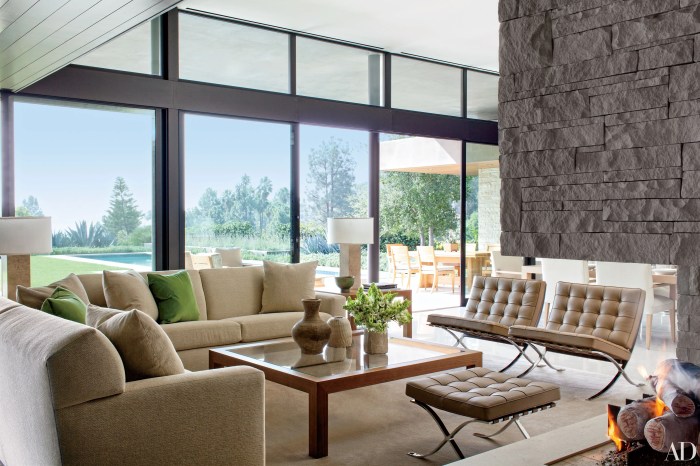
Modern design is characterized by a few key elements that contribute to its sleek and minimalist aesthetic. Clean lines, geometric shapes, and minimalistic color palettes are commonly used to achieve a contemporary look. These elements work together to create a sense of simplicity, sophistication, and functionality in modern design.
Use of Materials
In modern design, materials such as glass, metal, and concrete are often incorporated to enhance the overall aesthetic. Glass is used to create a sense of openness and lightness, allowing natural light to flow through a space. Metal, such as stainless steel or aluminum, is utilized for its clean and industrial look, adding a touch of modernity.
Concrete is another popular material in modern design, known for its durability and versatility in creating a minimalist and urban vibe.
Role of Technology
Technology plays a significant role in modern design, influencing design choices in various ways. From smart home systems to innovative materials, technology has allowed designers to push the boundaries of creativity and functionality. The integration of technology in modern design often results in spaces that are not only visually appealing but also highly functional and efficient.
Modern Design in Architecture
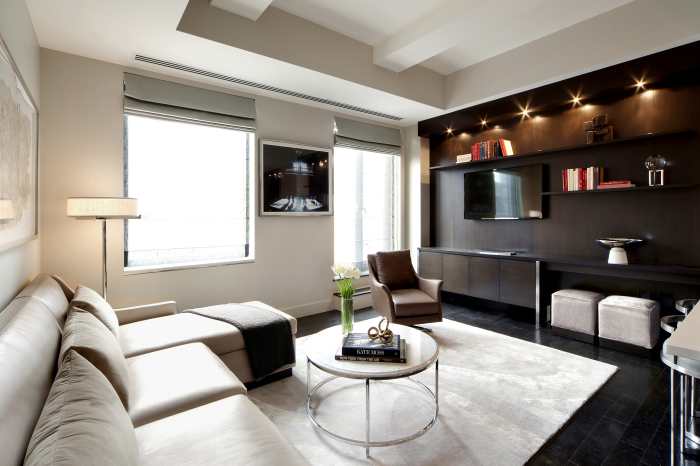
Modern design principles are not limited to interior spaces but also extend to architectural structures. Architects around the world have been implementing modern design elements to create innovative and sustainable buildings that redefine the landscape of cities. Let's explore how modern design is applied in architecture, the use of sustainable materials, and iconic modern architectural landmarks.
Application of Modern Design in Architecture
- Architects incorporate clean lines, open spaces, and minimalistic aesthetics in modern architectural designs.
- The use of glass, steel, and concrete is common in modern architecture to achieve a sleek and contemporary look.
- Integration of technology and smart systems for energy efficiency and sustainability is a key aspect of modern architectural design.
Use of Sustainable and Eco-Friendly Materials
- Modern architects prioritize the use of eco-friendly materials such as reclaimed wood, recycled steel, and energy-efficient glass to reduce the environmental impact of buildings.
- Green roofs, solar panels, and natural ventilation systems are incorporated into modern architectural designs to promote sustainability and energy conservation.
- Buildings designed with sustainable materials not only benefit the environment but also create healthier indoor spaces for occupants.
Examples of Iconic Modern Architectural Landmarks
-
The Guggenheim Museum in Bilbao, Spain, designed by Frank Gehry, is a striking example of modern architecture with its titanium-clad curvilinear form.
-
The Sydney Opera House in Australia, designed by Jørn Utzon, is a UNESCO World Heritage Site known for its innovative sail-like design.
-
The Burj Khalifa in Dubai, United Arab Emirates, designed by Adrian Smith, is the tallest building in the world and showcases modern engineering and design feats.
Modern Design in Interior Spaces
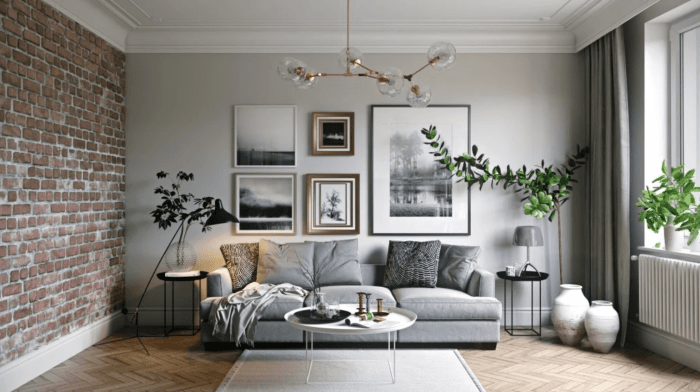
When it comes to modern design in interior spaces, the focus is on creating clean lines, minimalistic aesthetics, and a sense of openness. This design style is all about simplicity, functionality, and the use of contemporary materials.
Integration of Modern Design Principles
In modern interior design, principles such as simplicity, functionality, and minimalism are key. This is achieved through the use of clean lines, neutral colors, and a clutter-free environment. Furniture pieces are often sleek and simple, with a focus on practicality and comfort.
Importance of Natural Light and Open Floor Plans
Natural light plays a crucial role in modern interior spaces, as it helps create a sense of openness and airiness. Large windows, skylights, and glass doors are often used to maximize the amount of natural light entering the space. Open floor plans are also common in modern design, as they promote a seamless flow between different areas of the home.
Popular Furniture Styles and Decor Choices
- Mid-century modern: This style features clean lines, organic shapes, and a mix of materials like wood, metal, and glass.
- Scandinavian: Known for its simplicity, functionality, and use of natural elements like wood and neutral colors.
- Industrial: Characterized by raw materials like exposed brick, concrete, and metal, with a focus on utilitarian design.
- Minimalist: This style embraces the "less is more" philosophy, with a focus on simplicity and a clutter-free environment.
Last Word
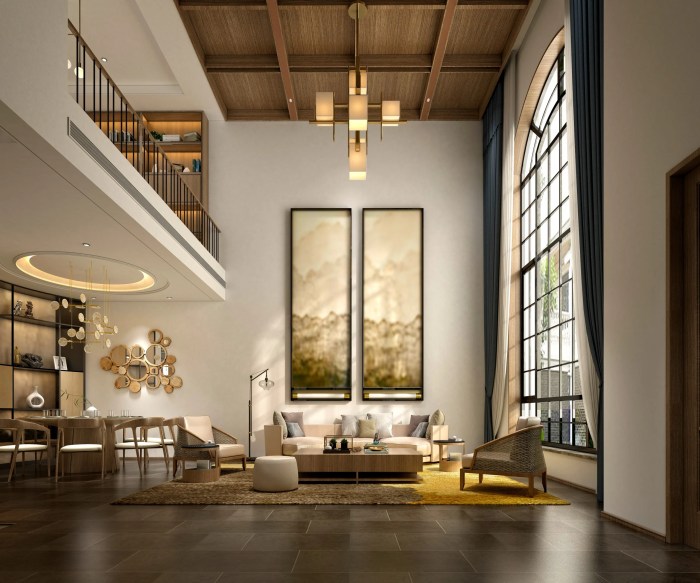
In conclusion, modern design stands as a testament to the marriage of form and function, where creativity knows no bounds. Embrace the allure of modern design and witness how it continues to shape the world around us with its timeless elegance and contemporary flair.
Query Resolution
What are the key characteristics of modern design?
Modern design is characterized by clean lines, minimalistic color palettes, and the use of geometric shapes.
How does modern design differ from traditional design?
Modern design focuses on simplicity and functionality, while traditional design often incorporates ornate details and intricate patterns.
What role does technology play in modern design?
Technology influences modern design by enabling innovative materials and construction techniques, shaping the evolution of contemporary aesthetics.