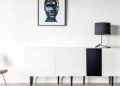
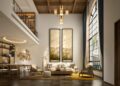
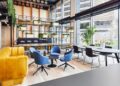
Delving into minimalist style, this introduction immerses readers in a unique and compelling narrative. From fashion to interior design, minimalism exudes simplicity and sophistication. The essence of minimalist style lies in its clean lines, neutral colors, and focus on essential elements.
Let's uncover the beauty of minimalism together.
Minimalist fashion and interior design are not just trends; they represent a lifestyle choice that promotes clarity and intentionality in every aspect of our lives.
Definition of Minimalist Style
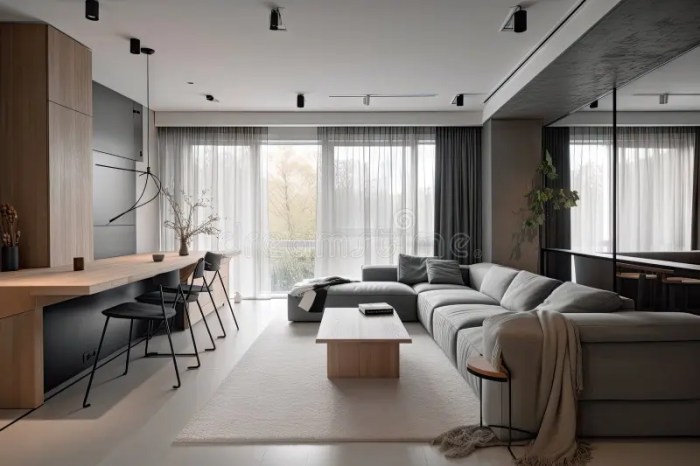
Minimalist style in fashion and interior design is characterized by simplicity, clean lines, and a focus on functionality. It involves stripping away excess decoration and keeping only the essentials, creating a sense of calm and tranquility.
Key Characteristics of Minimalist Style
- Neutral color palette: Minimalist style often features a color scheme of white, black, gray, and earth tones.
- Clean lines: Furniture and clothing in minimalist style are typically simple and devoid of ornate patterns or embellishments.
- Functional design: Every item serves a purpose in minimalist style, with no unnecessary clutter or accessories.
- Open spaces: Minimalist interiors are known for their spacious and uncluttered look, promoting a sense of openness and freedom.
- High-quality materials: Minimalist design focuses on using quality materials such as wood, metal, and glass to create a sense of elegance and sophistication.
Origins and Influences of Minimalist Style
Minimalist style originated in the 1960s as a reaction against the excesses of consumer culture. Influenced by Japanese design principles of simplicity and Zen philosophy, minimalist style gained popularity for its emphasis on the beauty of simplicity and functionality. Designers like Mies van der Rohe and artists like Donald Judd played a significant role in shaping the minimalist aesthetic, which continues to inspire fashion and interior design to this day.
Minimalist Fashion
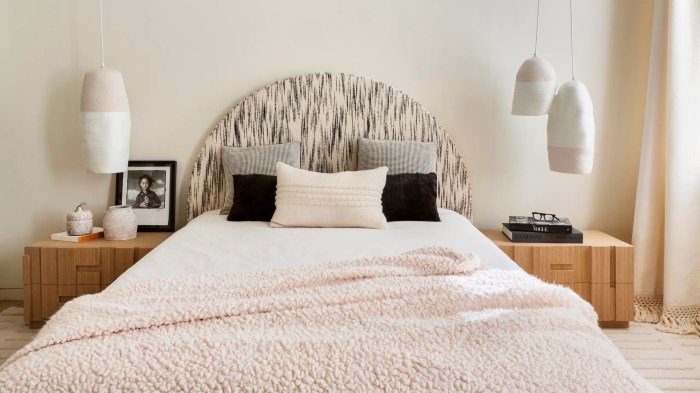
Minimalist fashion is all about simplicity, clean lines, and a focus on quality over quantity. This style emphasizes a streamlined and timeless look, free of excessive embellishments or loud patterns.
Reflecting Minimalist Style in Clothing and Accessories
Minimalist style in clothing often involves a neutral color palette, such as black, white, grey, and beige. Basic pieces like a white button-down shirt, black trousers, and a classic trench coat are staples in a minimalist wardrobe. Accessories are kept minimal as well, with simple and classic pieces like a leather watch, a structured handbag, or delicate jewelry.
Tips for Creating a Minimalist Wardrobe
- Invest in high-quality, versatile pieces that can be mixed and matched easily.
- Stick to a neutral color palette to ensure that all your pieces can be worn together seamlessly.
- Declutter your wardrobe regularly and only keep items that you truly love and wear often.
- Aim for a capsule wardrobe with a limited number of essential pieces that can create multiple outfits.
Comparing Minimalist Fashion with Other Popular Styles
Minimalist fashion is often contrasted with maximalist fashion, which embraces bold colors, prints, and accessories. While minimalist style focuses on simplicity and clean lines, maximalist style is all about excess and making a statement with elaborate outfits. Additionally, minimalist fashion is more timeless and versatile compared to trendy or fast fashion styles that come and go quickly.
Minimalist Interior Design
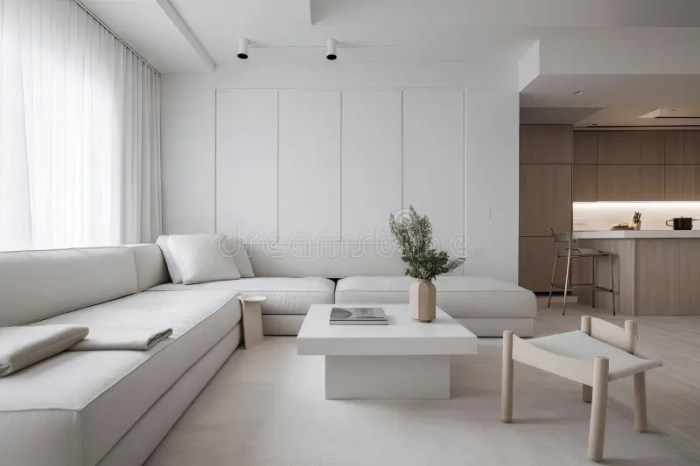
Minimalist interior design is characterized by simplicity, clean lines, and a focus on functionality. The principles of minimalist interior design include decluttering, using a neutral color palette, incorporating natural light, and emphasizing a sense of openness and airiness.
Minimalist Decor Elements
- Minimalist Furniture: Furniture pieces with clean lines, simple shapes, and a focus on functionality. Examples include sleek sofas, minimalist coffee tables, and unadorned chairs.
- Neutral Color Schemes: Colors like white, beige, gray, and black are commonly used in minimalist interior design to create a sense of calm and simplicity. These neutral tones can be complemented by natural wood accents.
- Functional Storage Solutions: Minimalist spaces often incorporate hidden storage solutions to maintain a clutter-free environment. This can include built-in cabinets, under-bed storage, and multi-purpose furniture.
- Natural Elements: Bringing nature indoors through plants, natural materials like wood and stone, and large windows that allow for ample natural light.
Benefits of Minimalist Design in Living Spaces
- Enhanced Visual Appeal: Minimalist design creates a clean, uncluttered aesthetic that can make a space feel larger and more inviting.
- Promotes Relaxation: By reducing visual distractions and focusing on simplicity, minimalist design can help create a calming and peaceful environment.
- Easier Maintenance: With fewer items in the space, cleaning and organizing become more manageable, saving time and reducing stress.
- Encourages Mindfulness: Living in a minimalist space encourages mindfulness and intentionality in the objects we choose to surround ourselves with, leading to a more mindful lifestyle.
Minimalist Lifestyle
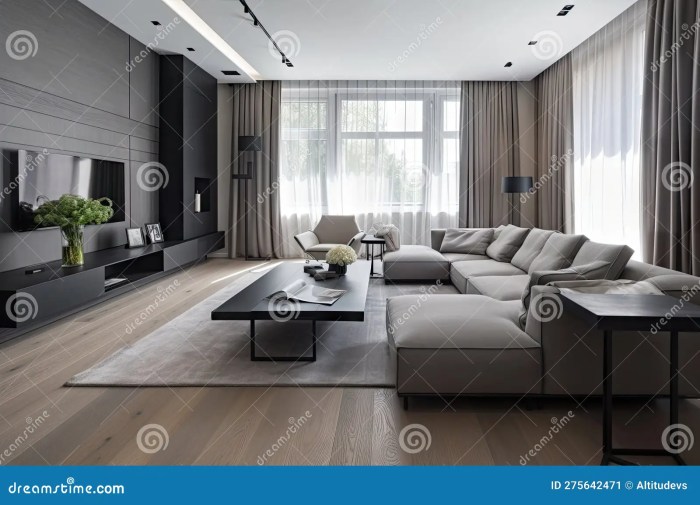
Embracing a minimalist lifestyle goes beyond just fashion and interior design; it's a holistic approach to simplifying everyday life.
Decluttering and Simplifying
One of the core concepts of minimalist lifestyle is decluttering, which involves getting rid of unnecessary possessions and simplifying your living space. By eliminating excess items, you create a sense of calm and focus in your environment.
- Regularly go through your belongings and donate or sell items you no longer use or need.
- Avoid impulse buying and carefully consider purchases to prevent accumulation of unnecessary items.
- Create designated spaces for essential items to maintain organization and reduce clutter.
Incorporating Minimalist Principles into Daily Routines
Incorporating minimalist principles into your daily routines can help simplify your life and reduce stress. By focusing on what truly matters, you can prioritize your time and energy on things that bring you joy and fulfillment.
- Practice mindfulness and intentionality in your actions to promote a sense of purpose and clarity.
- Schedule regular digital detoxes to limit screen time and foster real-life connections.
- Opt for quality over quantity in all aspects of your life, from relationships to material possessions.
Summary
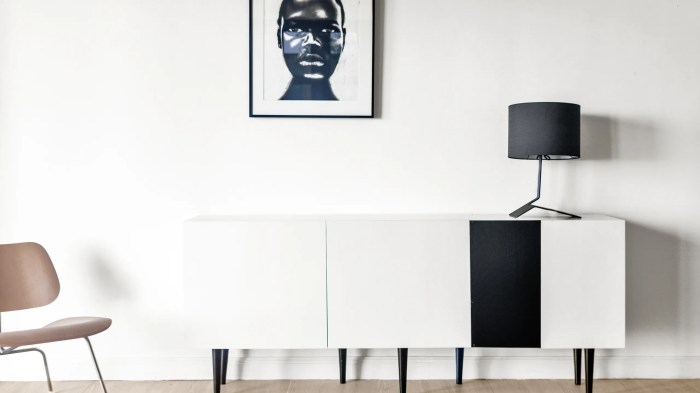
In conclusion, minimalist style offers a refreshing approach to fashion, design, and lifestyle. By embracing simplicity and functionality, we can create spaces and wardrobes that truly reflect our values. Dive into the world of minimalism and discover the freedom it brings to your everyday life.
Key Questions Answered
What are the key characteristics of minimalist style?
Minimalist style is characterized by simplicity, clean lines, neutral colors, and a focus on essential elements.
How can I create a minimalist wardrobe?
To create a minimalist wardrobe, focus on versatile pieces, stick to a neutral color palette, and prioritize quality over quantity.
What are the benefits of minimalist design in living spaces?
Minimalist design in living spaces promotes a sense of calm, reduces visual clutter, and enhances the functionality of the space.
How does minimalist style extend into everyday life?
Minimalist style extends into everyday life through concepts like decluttering, simplifying routines, and focusing on what truly matters.